Avoid the fourth version of the same gift
A quick check and an easy exchange can prevent a familiar preference becoming a pile of identical presents.
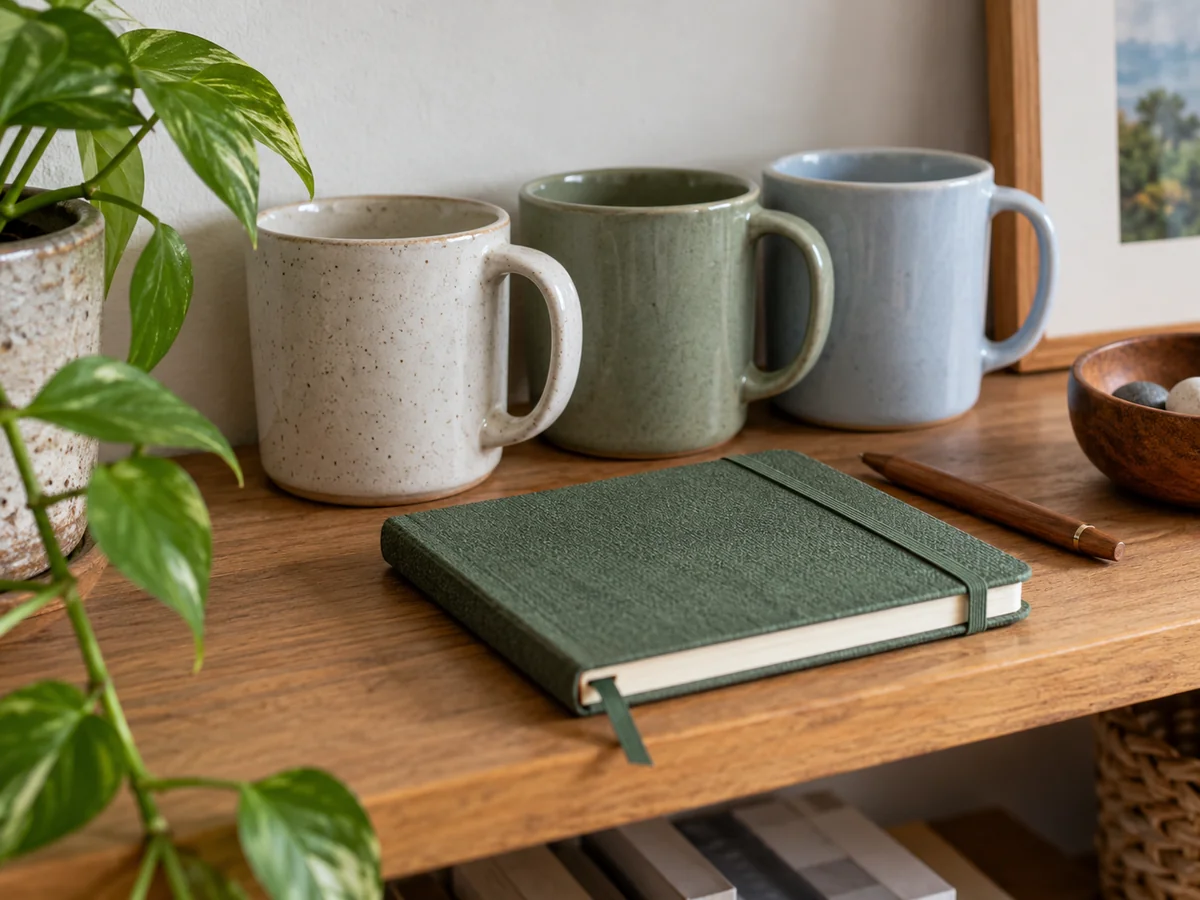
A favourite can become the default gift
Once someone is known for liking cats, coffee or a certain colour, every occasion can bring another variation on the same object. The first mug might be useful; the fourth may have nowhere to go. A familiar theme is a clue, not a standing request. Before buying, consider what you have already given and what the recipient has mentioned receiving from others.
There is no need to inspect their cupboards or keep a detailed inventory. A casual question can be enough: are they still looking for a notebook, do they already have a travel cup they like, would another bag be useful? Asking leaves room for an honest answer. It also avoids making the recipient manage your surprise at the expense of their own storage space.
Repetition sometimes makes sense
Duplicates are not always a problem. A favourite notebook may be used up, a reliable pen refill may be welcome and a second bag may serve a distinct place. The important difference is between an extra item with a clear purpose and another object connected only by a theme. Confirm the exact version if a replacement is intended, because similar packaging can conceal different paper, sizes or fittings.
Consumable or regularly replaced items still need a limit. Someone may have enough refills for a year or prefer to change the notebook they use next. Do not assume that something eventually runs out means any quantity will be welcome. Ask what they need now, especially when the gift would take up space or require storage in particular conditions.
Coordinate when it helps
For a shared occasion, a wish list or a brief conversation among people already involved can reduce accidental duplication. Respect the recipient's privacy and avoid sharing personal details more widely than necessary. If you buy from a list, mark the purchase in the way it is designed to work. Do not assume another person will remember your informal message while making their own arrangements.
Keep an exchange route available when possible. Read the specific retailer's policy and include a gift receipt without making the person explain whether they already own the item. A relaxed option is more helpful than a demand to answer before opening the package. The recipient may discover a duplicate later when unpacking gifts or returning home.
When the uncertainty remains, choose a different kind of gesture: a handwritten note, an agreed outing or an appropriate contribution to something they have named. Check any terms attached to vouchers or bookings. The gift does not need to reinforce the same public version of the person every time. Paying attention also means noticing when they have enough of something they like.