Small objects
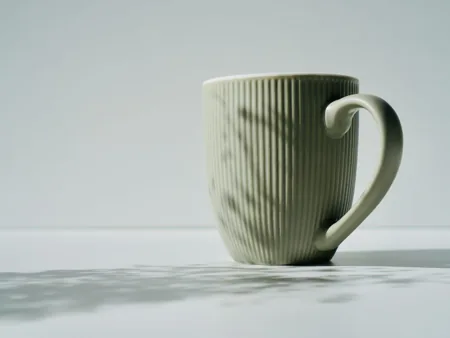
A mug handle needs room for your hand
The handle can decide whether a handsome mug becomes your everyday cup. Check its space, angle and balance before choosing a whole set.
Notes on things
you use.
Useful details in cups, paper, prints and everyday extras.
The handle can decide whether a handsome mug becomes your everyday cup. Check its space, angle and balance before choosing a whole set.
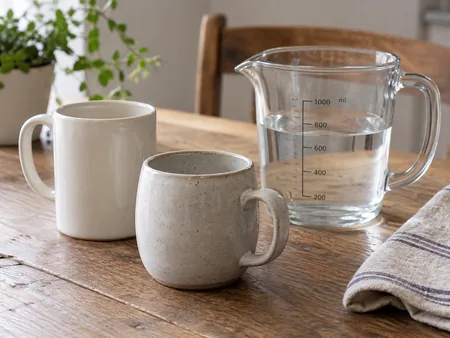
A capacity number is easier to use when you compare it with the amount you actually pour, leaving a comfortable gap below the rim.

A rounded lip, a thick edge and a flared opening can give similar-looking mugs surprisingly different drinking habits.

Look inside the mug as closely as you look at its decoration. A finish needs to suit drinking, cleaning and the care instructions supplied with it.
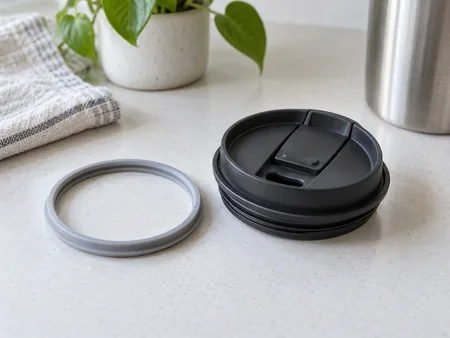
The outer gasket and the drinking closure do different jobs. Check the whole lid before trusting a travel cup inside a bag.
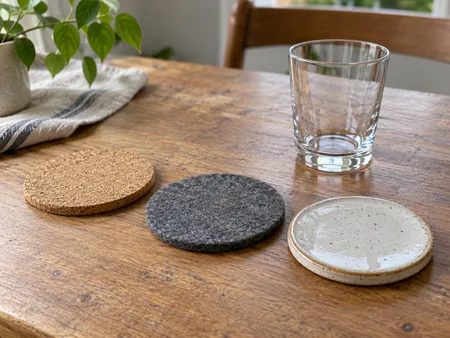
A coaster has two surfaces to consider: the one under the drink and the one resting on the furniture.
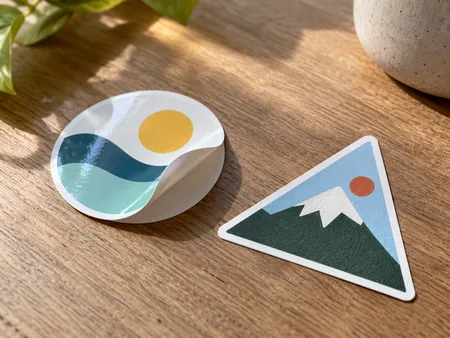
The face material, finish and adhesive all matter. A material name alone does not tell you where a sticker belongs.

Adhesive needs a suitable place to make contact. A clean-looking surface may still be textured, damp or incompatible.
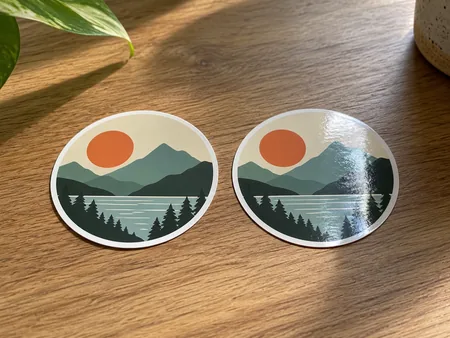
Gloss catches light; matte changes the reflection. Compare how the design will look where you actually use it.

An outdoor rating needs context: surface, weather, sunlight and cleaning all affect how a sticker wears.
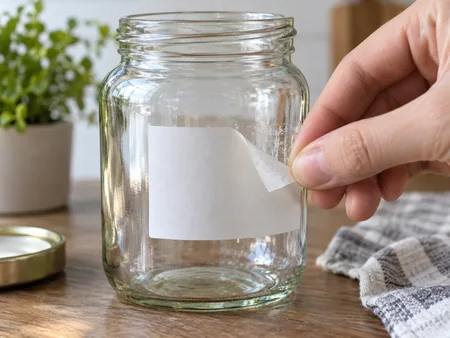
Slow peeling and a surface-safe method are more useful than an aggressive tool. The object underneath deserves priority.
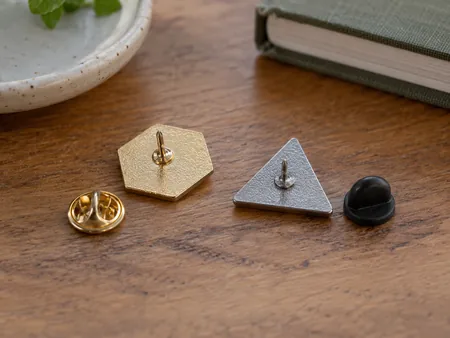
The fastening is part of the pin. Choose it for the fabric, movement and access involved rather than treating every small back as interchangeable.
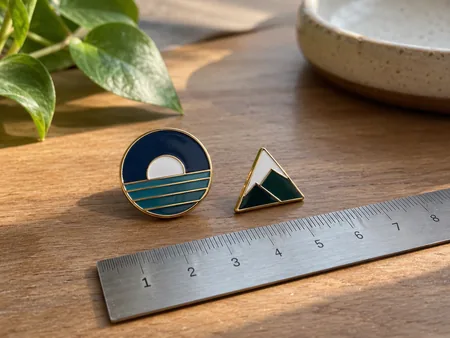
A close-up photograph can make a tiny pin look substantial. Translate the dimensions onto paper before deciding where it will sit.
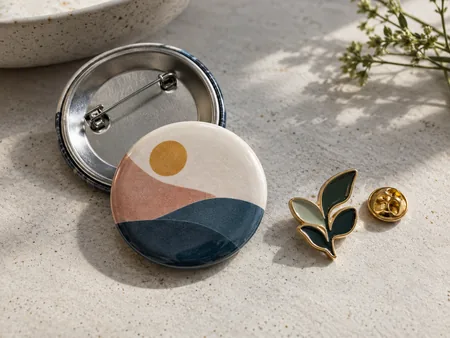
Button badges and enamel pins can carry the same idea, but their construction, fastening and visual character are different.
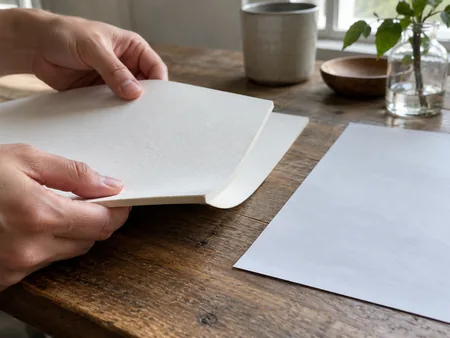
Paper weight helps you compare a print, but surface, thickness, size and framing can matter just as much.
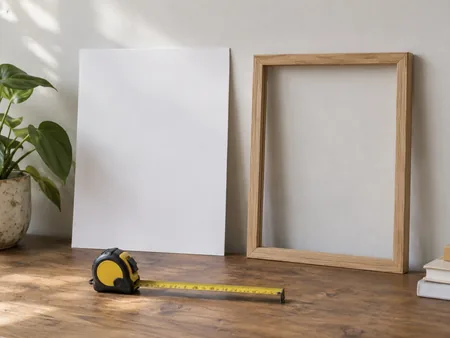
Measure the sheet, the visible image and the frame opening separately. A familiar size name does not make all three identical.
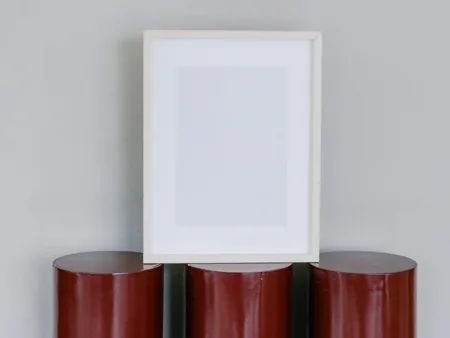
A white border may be part of the print rather than spare paper. Check it before trimming or choosing a mount.
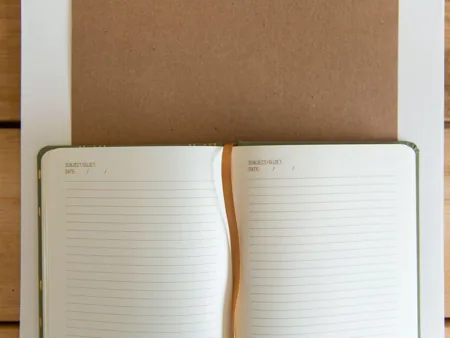
A notebook should open in a way that suits your hand and the space where you write. Cover appearance cannot tell you how the binding will behave.
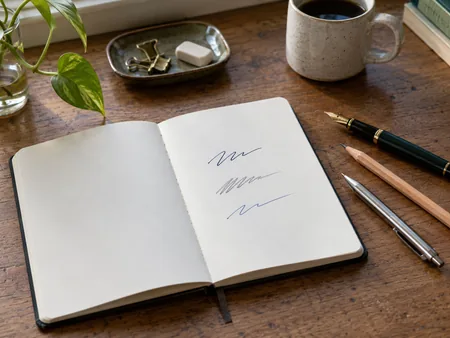
Your pen and the paper form a pair. Weight is one clue, but coating, texture and drying behaviour decide much of the experience.
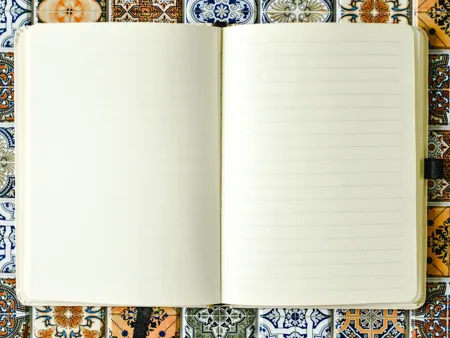
Page ruling is a working preference. Choose the amount of structure that helps the notes or drawings you actually make.
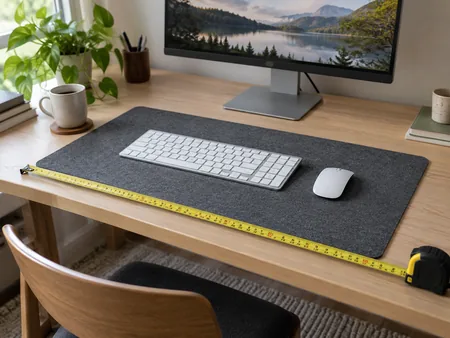
Measure the space your hands and tools use, including the mouse movement and notebook opening that product photos tend to hide.
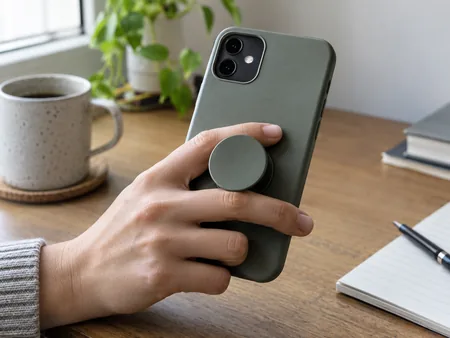
A grip needs to work with your hand, phone case and charging routine. Find the position before committing adhesive to the case.
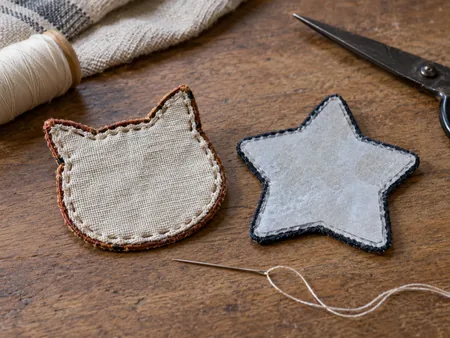
Heat, stitching and removable fastenings suit different fabrics. Check both the patch and the item before choosing an attachment method.