Care & repair
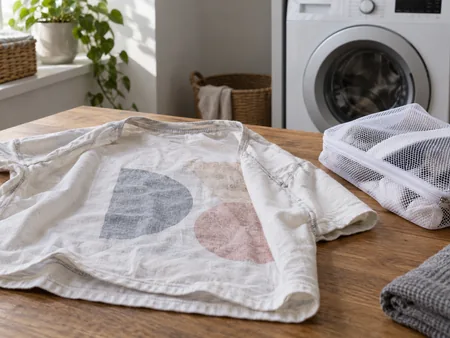
Wash a graphic shirt with less friction
Protect the printed surface by planning the load, not by hoping a delicate setting fixes everything.
Notes on things
you use.
Keep familiar things useful for a little longer.
Protect the printed surface by planning the load, not by hoping a delicate setting fixes everything.
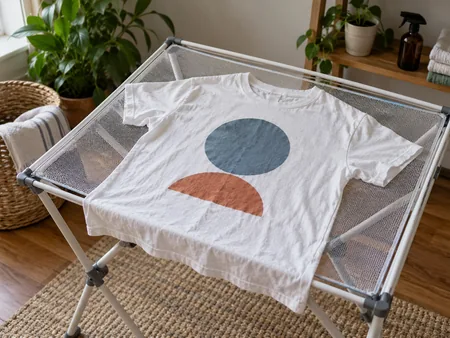
Choose the drying method allowed by the garment and the print, then avoid adding heat simply to finish faster.
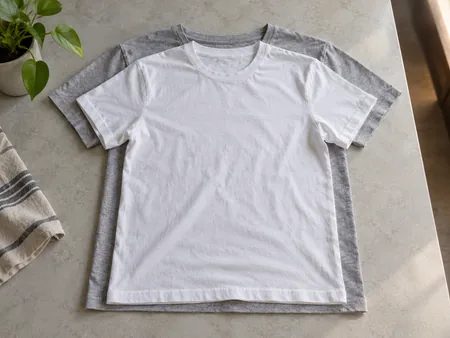
First confirm what changed. Forceful stretching and hot-water experiments can make an altered fit harder to assess.
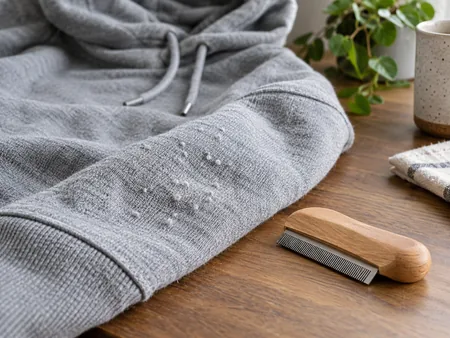
Small fibre balls are a surface problem. Remove them carefully without turning a cosmetic issue into a hole.
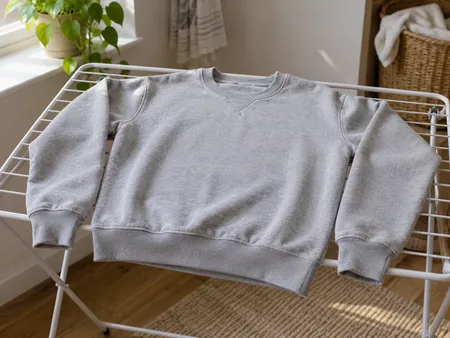
Treat cuffs as a fitted part of the garment, rather than a handle or a place to park rolled sleeves indefinitely.
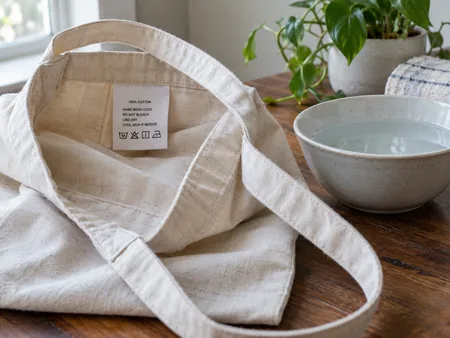
Canvas describes fabric, not permission to put every finished bag in the washing machine. Inspect the whole construction first.
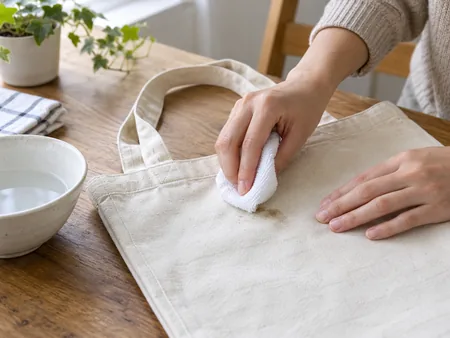
A small mark calls for controlled moisture and a tested method, not an expanding circle of stronger cleaning attempts.
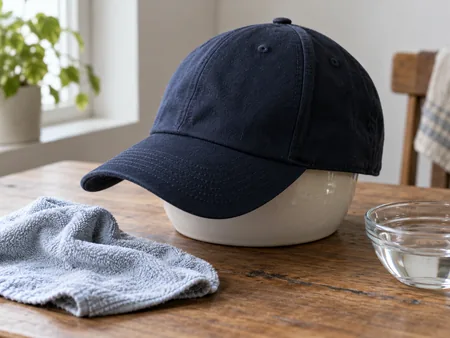
The crown, brim and decoration may need different care. Start with the cap maker's method rather than a general laundry trick.
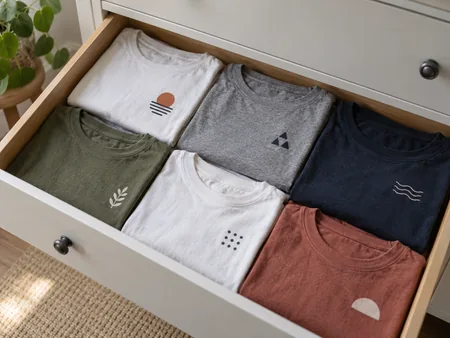
Clean, dry clothing and a low-stress fold usually matter more than special storage accessories.
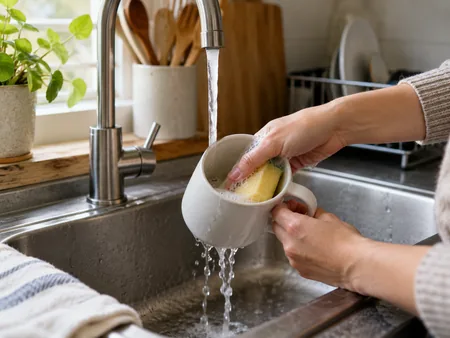
Start with a soft tool and the maker’s care instructions, especially when a mug carries a decorative finish.
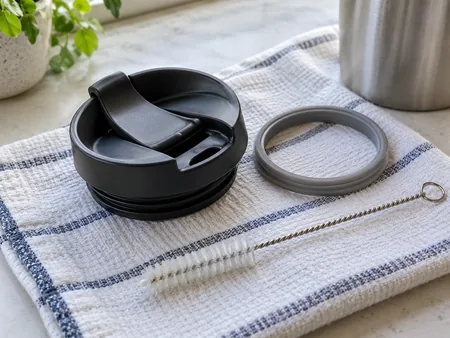
A clean cup can still have residue beneath its lid components. Learn which parts your particular lid is designed to release.
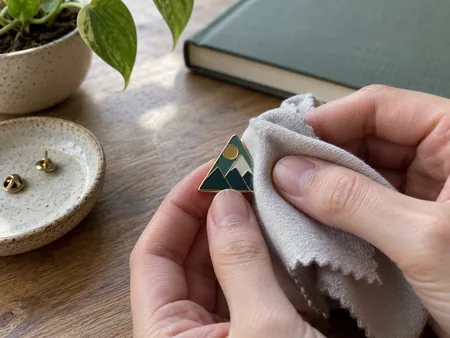
A small metal pin may carry plating, colour and printed detail. Gentle handling helps preserve all of them.
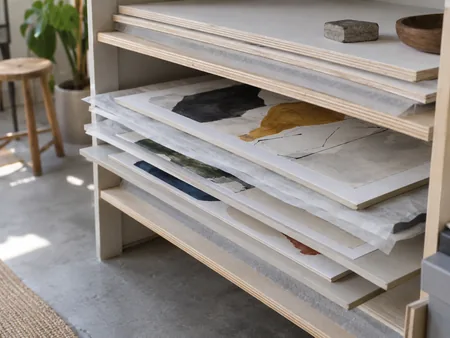
A supported, clean enclosure protects an unframed print better than a convenient gap behind furniture.

A notebook is often stored near a desk or wall. Keep those convenient places dry, clean and free from pressure on the binding.
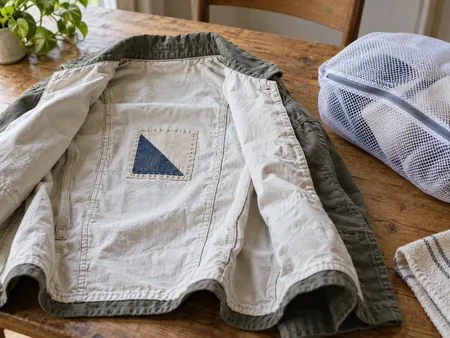
The fabric, patch and attachment method all need compatible care. Use the most restrictive instructions that apply.
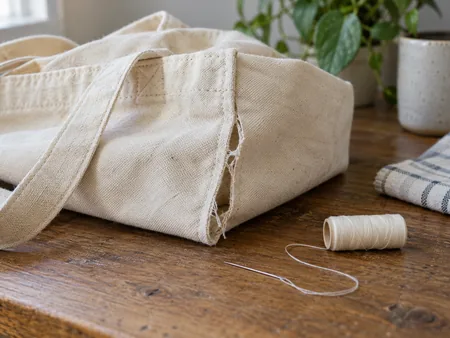
A broken line of stitching and a torn panel need different repairs. Inspect the fabric before deciding to resew.