Clothing
What a heavyweight T-shirt actually changes
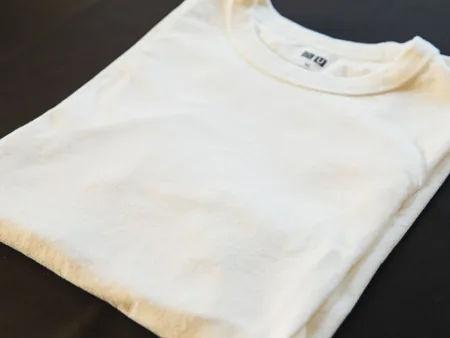
A substantial tee changes the shape of an outfit, but fabric weight alone cannot tell you how it will wear.
Notes on things
you use.
Find a useful detail. Follow a question. Start with what you use.
A substantial tee changes the shape of an outfit, but fabric weight alone cannot tell you how it will wear.
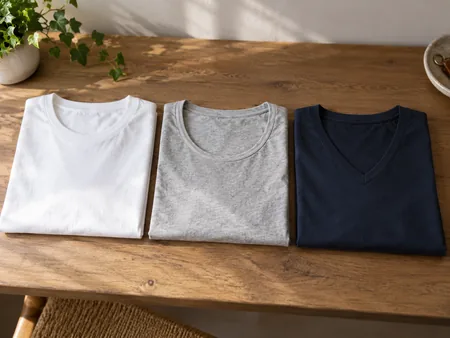
The opening, rib and position of a collar all affect whether a tee feels comfortable through an ordinary day.
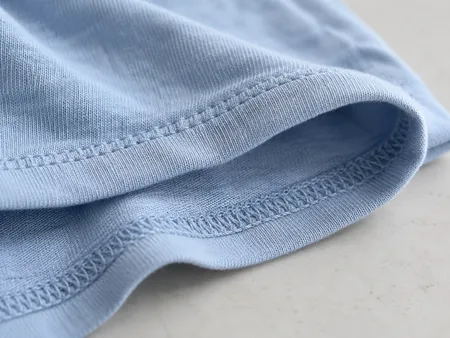
Cotton identifies the fibre; jersey describes the knitted structure. Both matter when you assess a shirt.
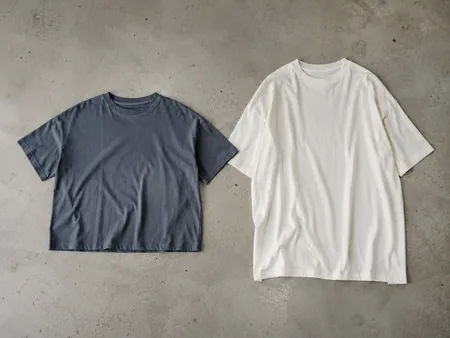
A short, wide body and an intentionally enlarged silhouette can look similar in photographs but wear differently.
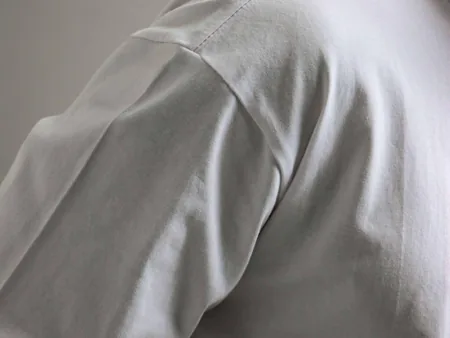
A shoulder seam is a useful reference point, provided you first know the cut the designer intended.
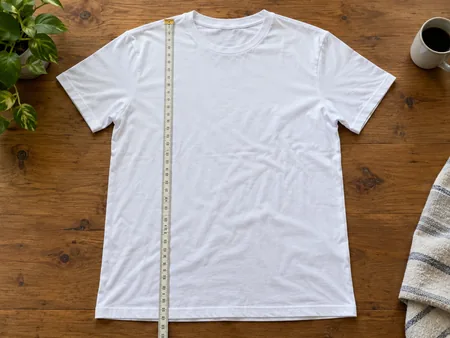
Measure from the stated starting point, then check the hem against the way you actually wear your clothes.

Coverage depends on knit, tension and light as well as weight. Check the shirt as a single layer.
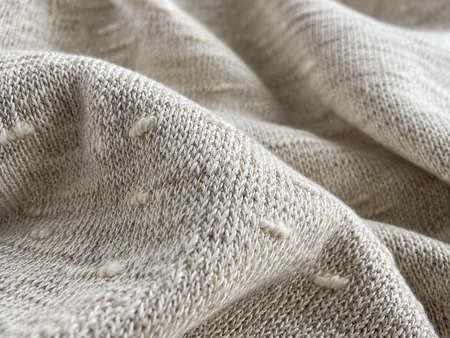
The irregular yarn gives a tee texture. Decide whether you like that texture before expecting a perfectly smooth print.
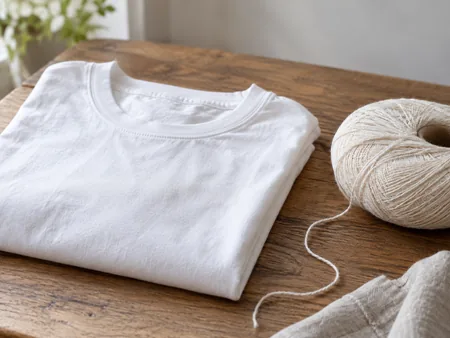
Combing is a yarn preparation step, not a complete verdict on the quality of a finished shirt.
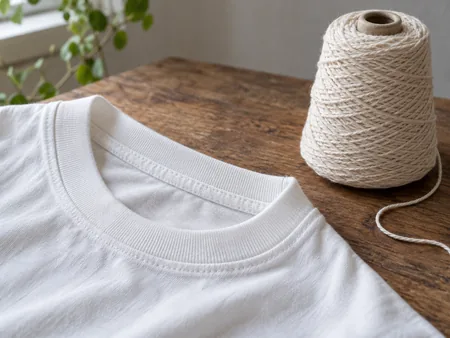
Ring-spun describes how yarn is made. Compare the resulting fabric instead of treating the term as a guarantee.
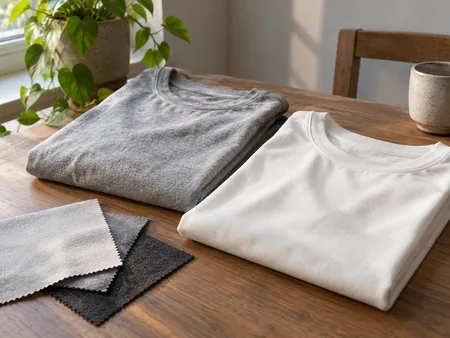
A blend can be useful, but the percentages and the finished construction matter more than the word alone.
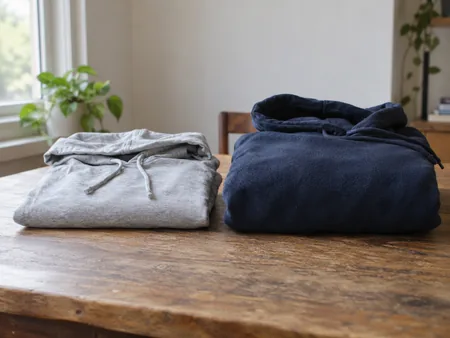
The best hoodie for a warm room may be a poor layer for a cool walk. Start with the place it will spend most of its time.
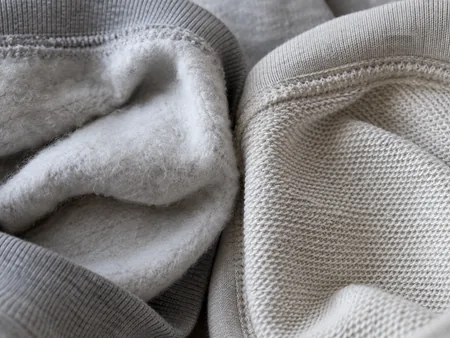
Look inside the garment: a brushed surface and visible loops can change the feel of an otherwise similar hoodie.
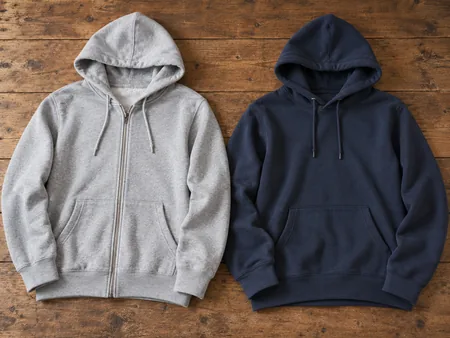
The opening changes how you adjust a layer, carry things and show the graphic underneath.

Pocket position, opening and reinforcement deserve a look before the hoodie becomes your everyday layer.
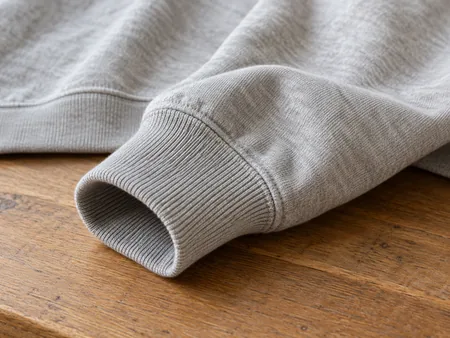
Ribbed cuffs control the sleeve opening, but they should not have to grip uncomfortably to stay in place.

A hood is part of the fit even if most product photographs show it resting on the back.
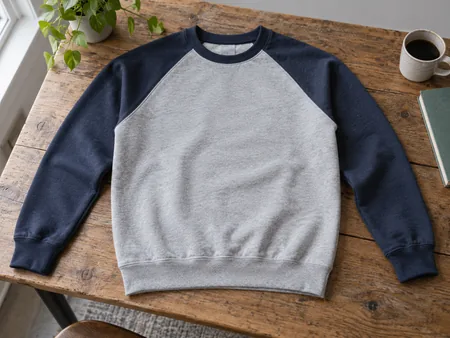
The diagonal seam changes the construction around the shoulder, but the whole pattern still determines movement.
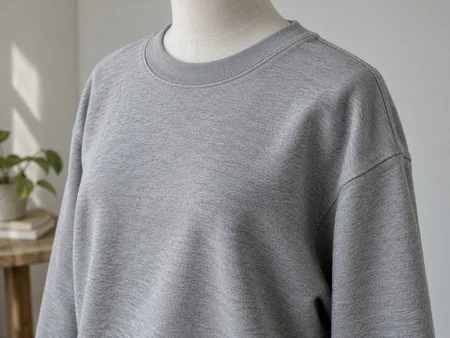
A lower sleeve junction changes the starting point of the sleeve. Read the whole silhouette before choosing a size.
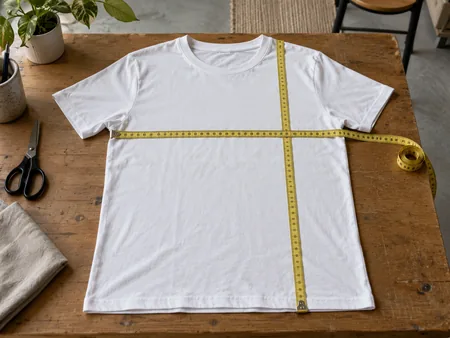
A flat width is not a body circumference. Follow the diagram and compare it with a garment you already know.
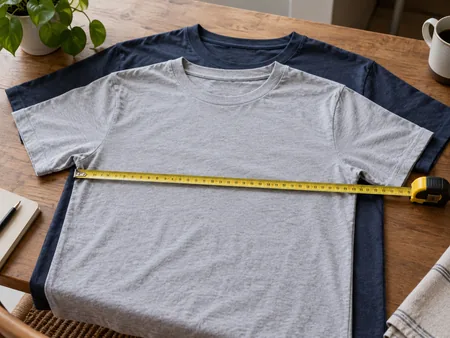
Choose around the part that needs room, then check the consequences for length, sleeves and neckline.
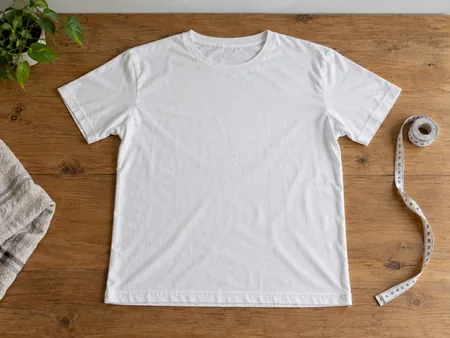
Unisex describes how a style is offered. It does not replace information about shape, measurements or ease.
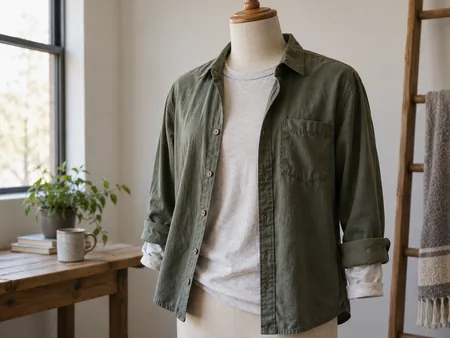
A layering shirt needs comfortable sleeves and a workable neckline as well as the right body width.
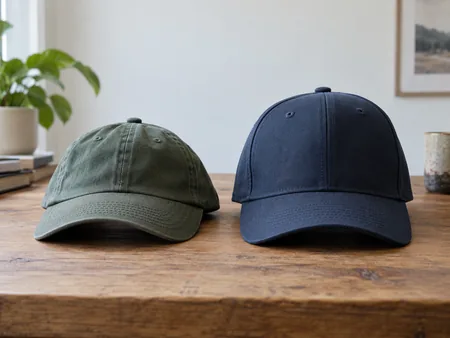
Head circumference affects tightness; crown shape and depth affect where the cap sits. Check both.
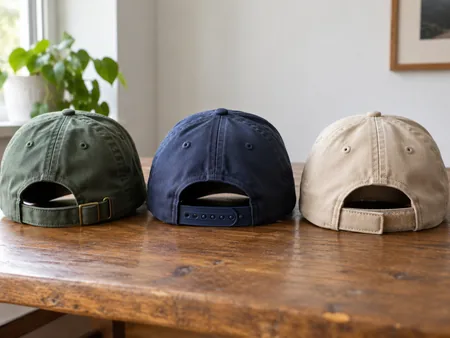
A snap, buckle or hook-and-loop strap changes the adjustment and the feel at the back of the head.
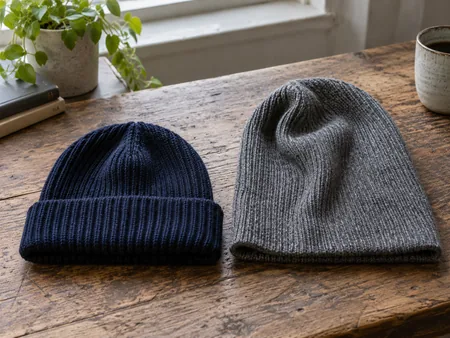
A folded cuff changes the depth and thickness of a beanie; a slouchy crown needs space to fall.

The top of a sock should hold its position without becoming the part you notice all day.

A print has to work on a moving garment, not just a flat mock-up. Look at its position, size and relationship to layers.
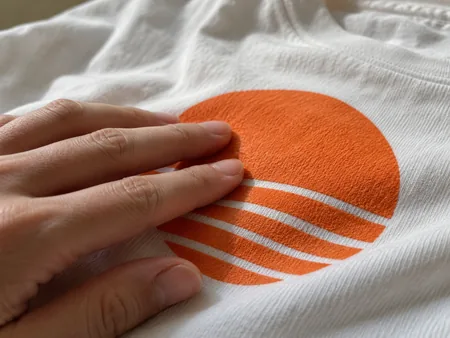
A graphic can feel almost integrated with the cloth or sit as a distinct surface. Decide which sensation you prefer.
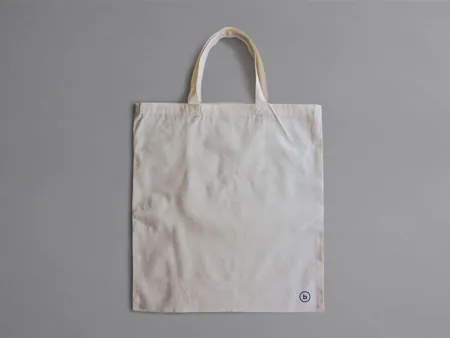
Handle drop, coat thickness and carrying height matter more than a bag's overall height.
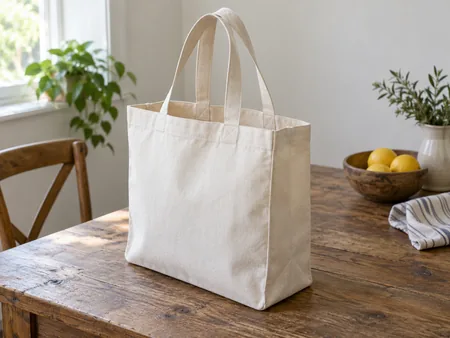
The folded panels at a tote's sides or base determine how well bulky objects settle inside.
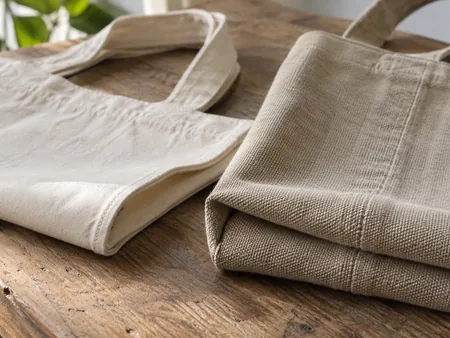
Fabric weight helps describe a tote, but seams, handles and empty weight deserve the same attention.
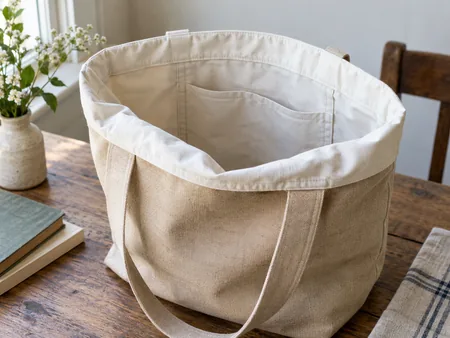
A lining can improve organisation and finish, though it also changes weight, visibility and cleaning.
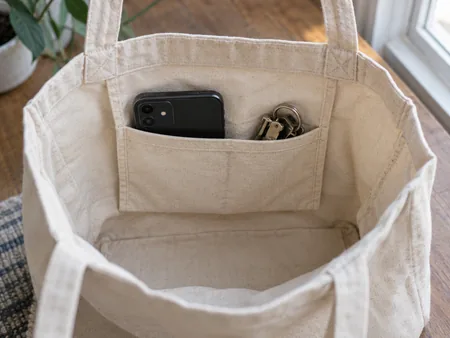
Judge a pocket by what you can reach and retrieve, rather than by the number on the product listing.
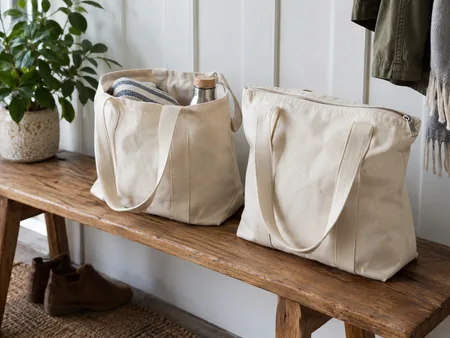
A top closure changes access and containment, but it does not make a tote waterproof or secure in every situation.
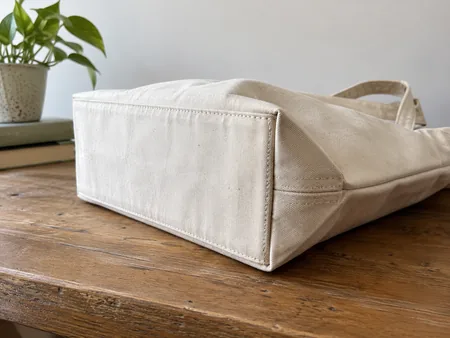
The base affects stability, packing and wear, even when it barely appears in the product photos.

Books fill a tote quickly; decide by carrying comfort and construction rather than spare space alone.
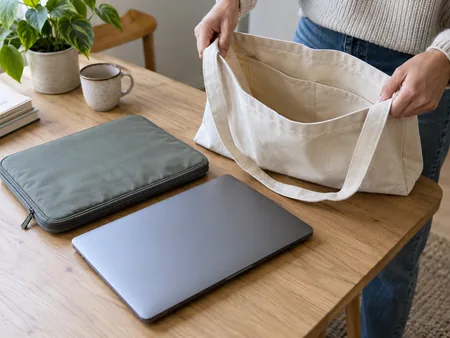
Check the opening, sleeve and impact protection before treating an everyday tote as a work bag.
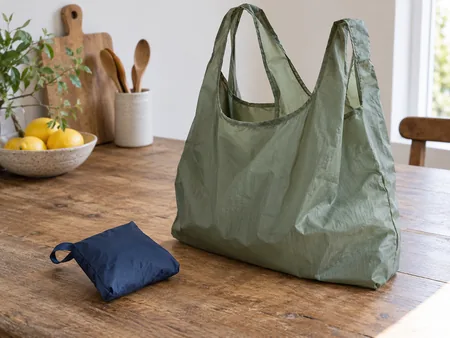
A spare shopping bag only helps when its folded size and packing method suit your everyday bag.
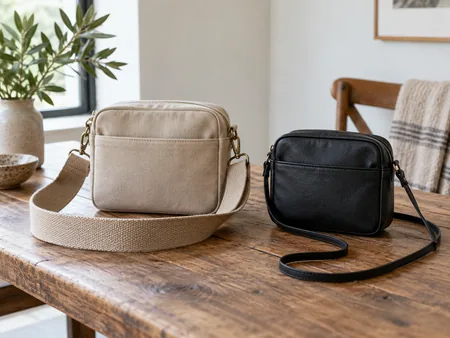
Width affects how a strap meets your shoulder, but edges, adjusters and load still decide comfort.

The right height keeps a bag reachable without making it swing or catch when you sit.
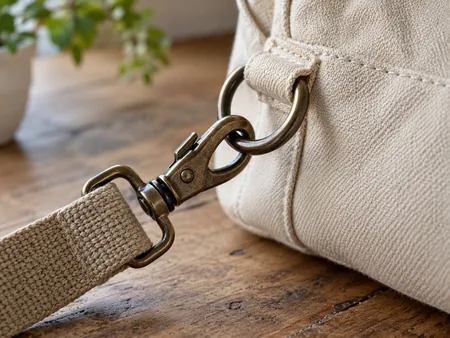
Small hooks, rings and buckles deserve inspection because they connect the parts you rely on.
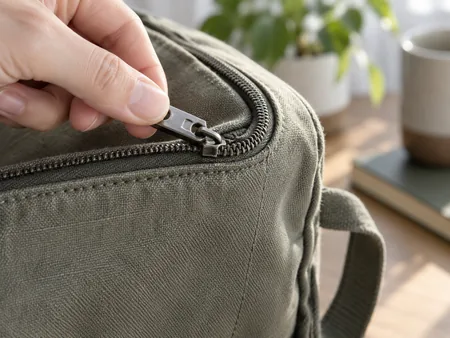
A zipper's smooth movement matters most when the bag is curved and filled, rather than empty and flat.
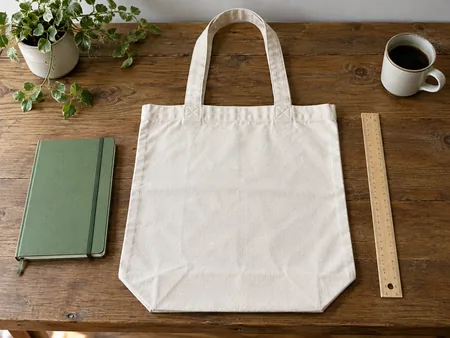
Use dimensions and a familiar object to judge a bag, since model photographs can disguise its proportions.
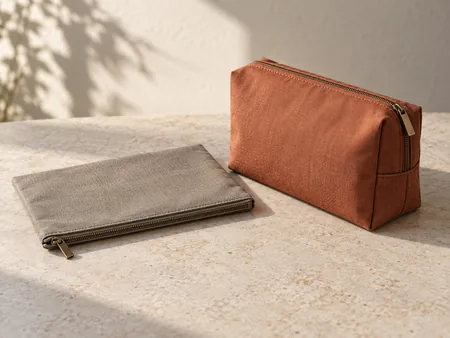
Choose a flat or gusseted pouch by the shapes of the things inside it and the bag around it.
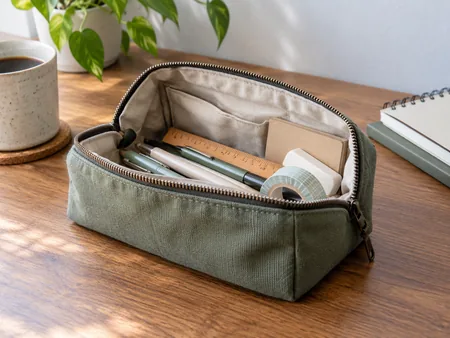
The length and position of a zipper can matter more than a pouch's total width.

Split rings, clips and locking connectors suit different routines; choose for access and reliable closure.
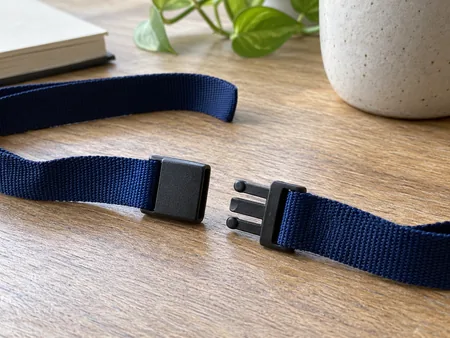
A safety release has a specific purpose and should not be confused with the clip that detaches an ID badge.
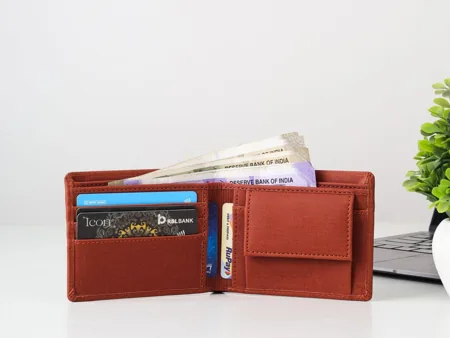
A realistic card count includes the cards you carry, how often you use them and any cash you still need.
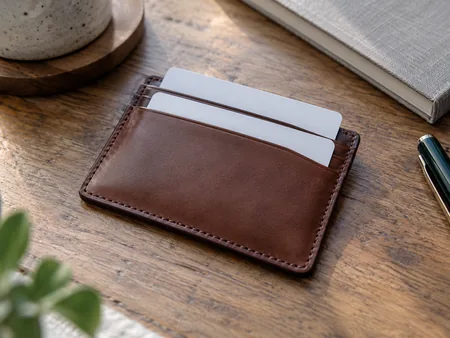
A slim profile is useful only if the cards you need are easy to remove and stay put afterwards.
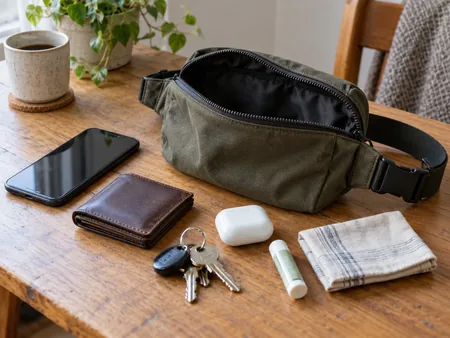
Check the phone, keys and wallet together; a litre figure alone does not show how a small bag packs.
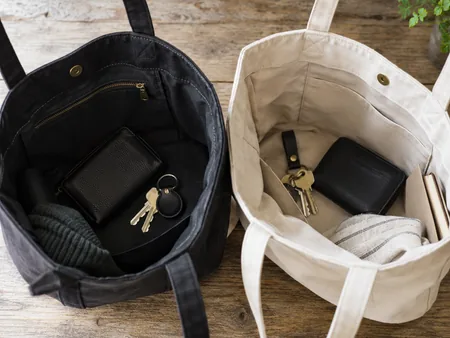
Interior colour, opening size and pocket placement all affect how easily you can find a small object.
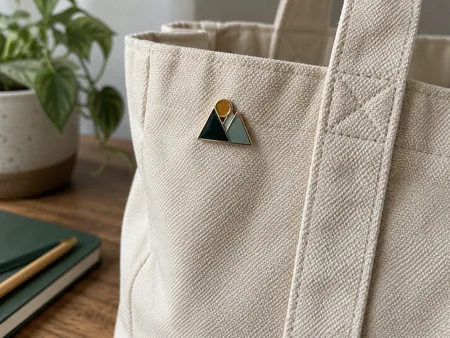
Choose the location, fabric and fastening carefully before pushing a pin through a much-used bag.
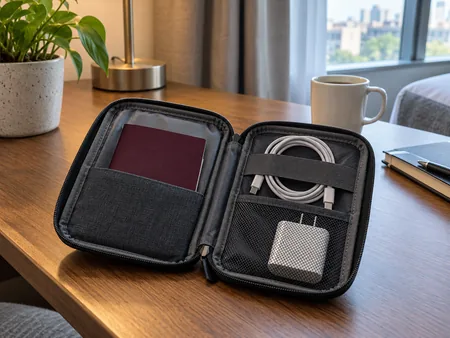
Group travel items by the moment you need them, rather than putting every small thing into one organiser.

The handle can decide whether a handsome mug becomes your everyday cup. Check its space, angle and balance before choosing a whole set.

A capacity number is easier to use when you compare it with the amount you actually pour, leaving a comfortable gap below the rim.

A rounded lip, a thick edge and a flared opening can give similar-looking mugs surprisingly different drinking habits.

Look inside the mug as closely as you look at its decoration. A finish needs to suit drinking, cleaning and the care instructions supplied with it.
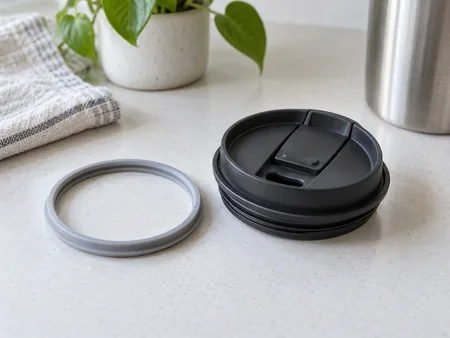
The outer gasket and the drinking closure do different jobs. Check the whole lid before trusting a travel cup inside a bag.
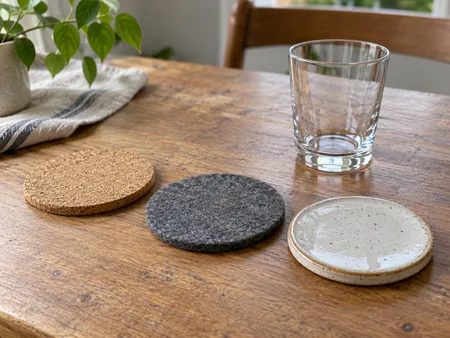
A coaster has two surfaces to consider: the one under the drink and the one resting on the furniture.

The face material, finish and adhesive all matter. A material name alone does not tell you where a sticker belongs.

Adhesive needs a suitable place to make contact. A clean-looking surface may still be textured, damp or incompatible.
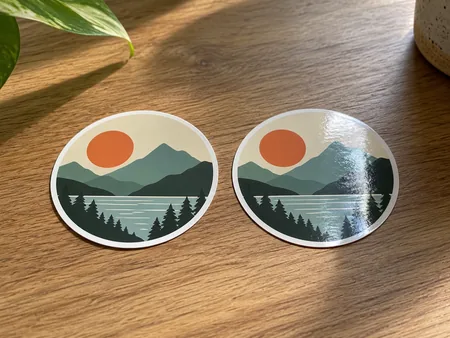
Gloss catches light; matte changes the reflection. Compare how the design will look where you actually use it.

An outdoor rating needs context: surface, weather, sunlight and cleaning all affect how a sticker wears.
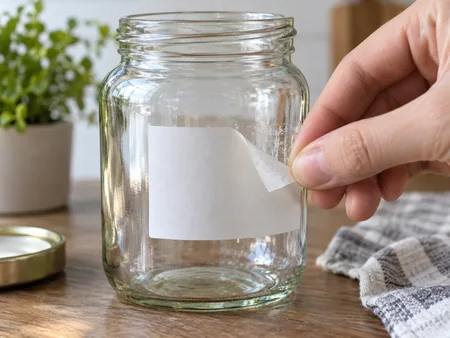
Slow peeling and a surface-safe method are more useful than an aggressive tool. The object underneath deserves priority.
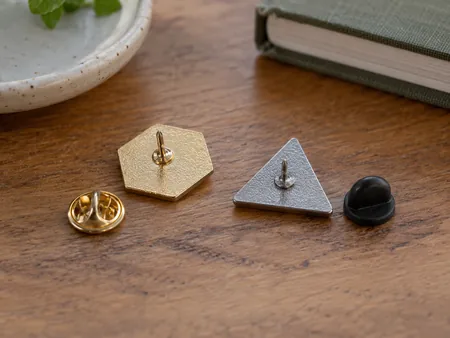
The fastening is part of the pin. Choose it for the fabric, movement and access involved rather than treating every small back as interchangeable.

A close-up photograph can make a tiny pin look substantial. Translate the dimensions onto paper before deciding where it will sit.

Button badges and enamel pins can carry the same idea, but their construction, fastening and visual character are different.
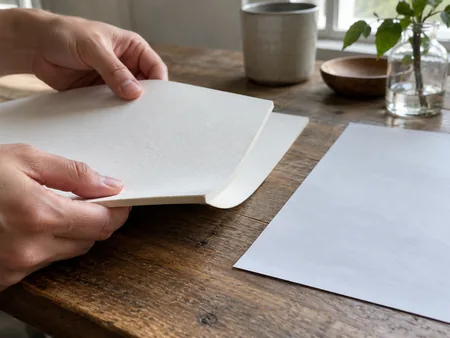
Paper weight helps you compare a print, but surface, thickness, size and framing can matter just as much.
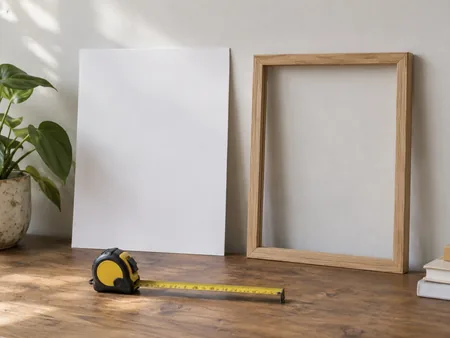
Measure the sheet, the visible image and the frame opening separately. A familiar size name does not make all three identical.

A white border may be part of the print rather than spare paper. Check it before trimming or choosing a mount.

A notebook should open in a way that suits your hand and the space where you write. Cover appearance cannot tell you how the binding will behave.
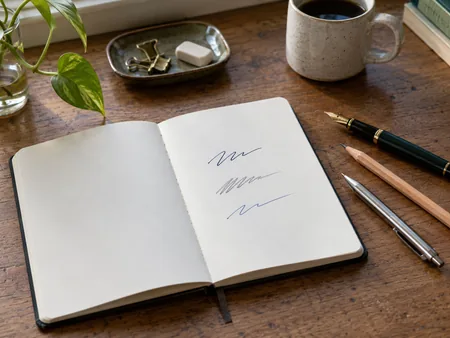
Your pen and the paper form a pair. Weight is one clue, but coating, texture and drying behaviour decide much of the experience.

Page ruling is a working preference. Choose the amount of structure that helps the notes or drawings you actually make.

Measure the space your hands and tools use, including the mouse movement and notebook opening that product photos tend to hide.

A grip needs to work with your hand, phone case and charging routine. Find the position before committing adhesive to the case.
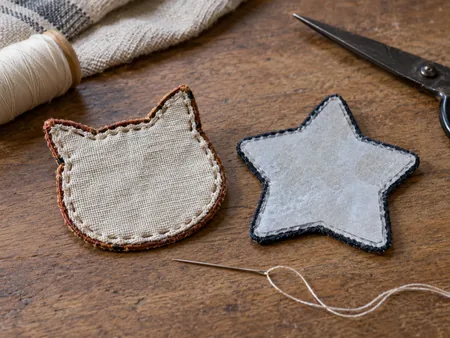
Heat, stitching and removable fastenings suit different fabrics. Check both the patch and the item before choosing an attachment method.
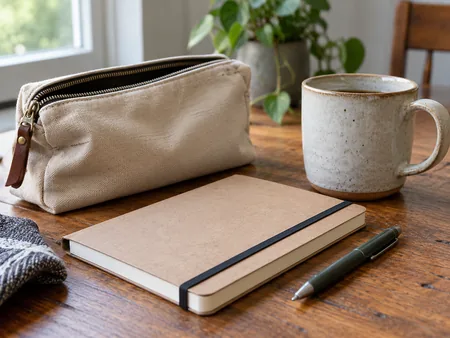
A single observed preference gives a gift more direction than a broad personality label.
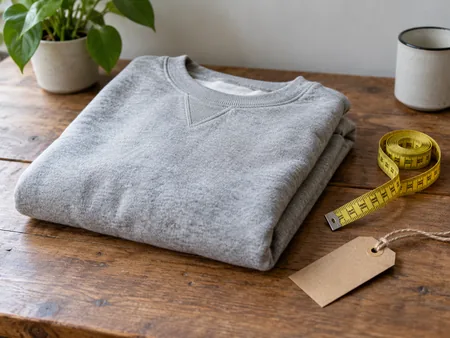
Ask for the right measurement or preserve an easy exchange instead of treating clothing size as a guessing game.

Capacity, cleaning and handle comfort matter more than a generic message printed on the side.
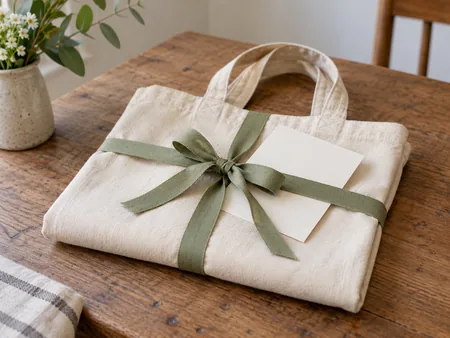
Choose a tote around a real carrying task, including its folded size and handle arrangement.

Paper size, ruling and pen compatibility make a stationery gift useful beyond its attractive cover.
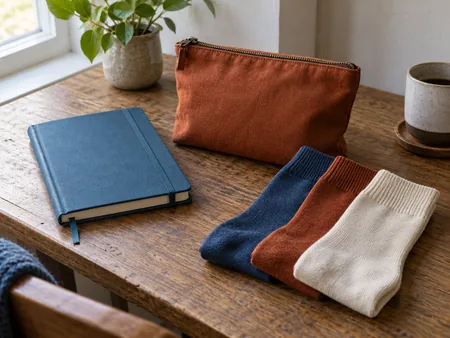
Use colours the recipient already chooses, while keeping room for context and an easy exchange.

Treat the final text as production instructions: confirm the name, punctuation and order before approving it.
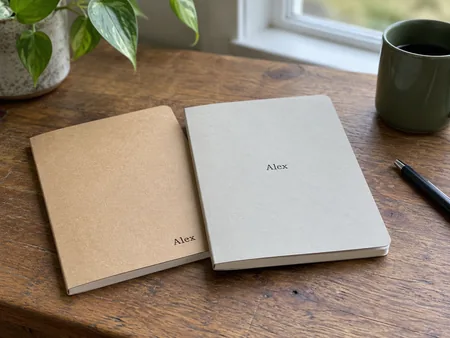
A name has to work on the object at its real size, not just in a large preview on a screen.
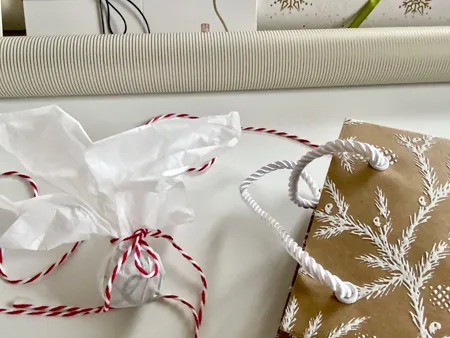
Two compatible items can make a coherent gift; extra pieces should earn their place.

Keep the budget, relationship and workplace rules comfortable for everyone involved.
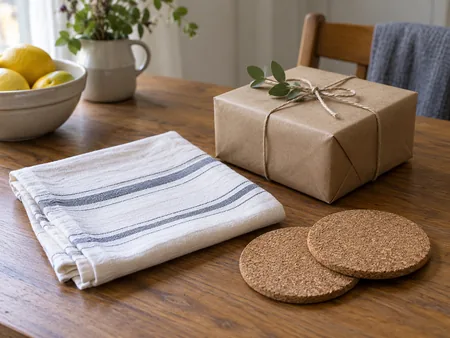
A small, easy-to-store gift can be kinder than choosing a permanent place in someone else's home.
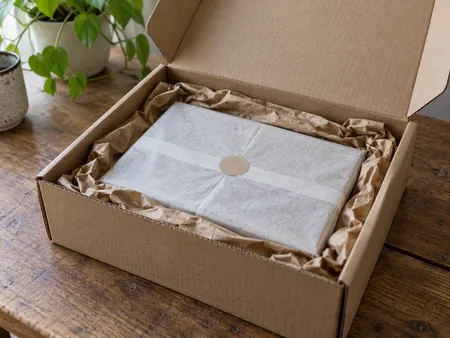
Choose the object and delivery arrangement together, including the recipient's address and ability to receive it.
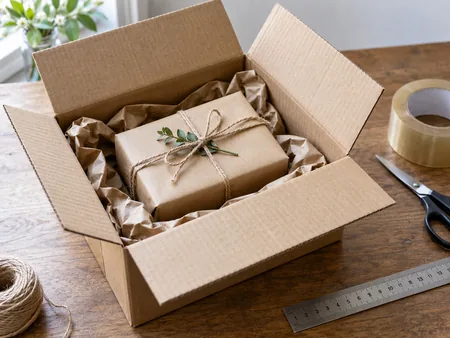
Price the packed parcel, protect fragile parts and leave room for the label before buying the gift.
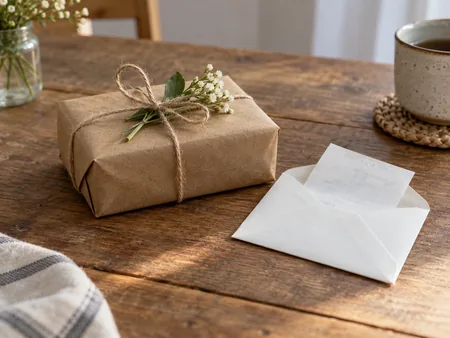
An exchange option respects taste, but the retailer's actual policy still determines what the receipt can do.

Ask about the part of the hobby they enjoy before choosing specialised equipment or another themed object.

A quick check and an easy exchange can prevent a familiar preference becoming a pile of identical presents.

Reusable wrapping works best when it is easy to open and genuinely useful to the person receiving it.

Reduce uncertainty, choose what is available and let a short personal note carry the thought.

Use a real observation, a clear wish and your normal voice; a gift note does not need to sound ceremonial.
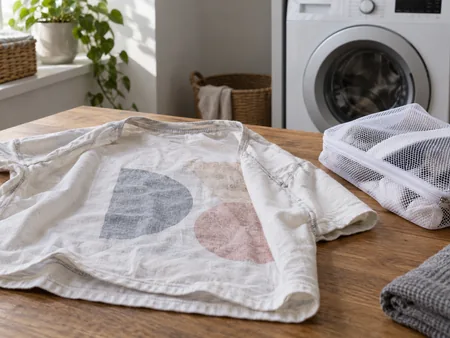
Protect the printed surface by planning the load, not by hoping a delicate setting fixes everything.
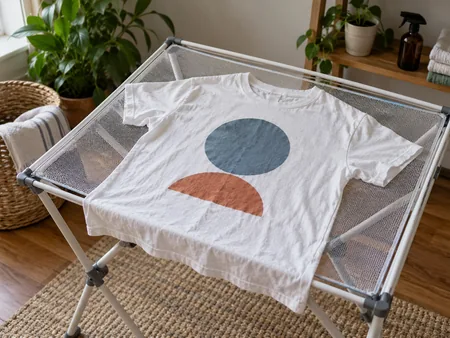
Choose the drying method allowed by the garment and the print, then avoid adding heat simply to finish faster.
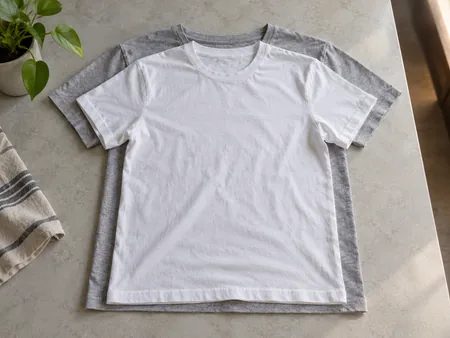
First confirm what changed. Forceful stretching and hot-water experiments can make an altered fit harder to assess.
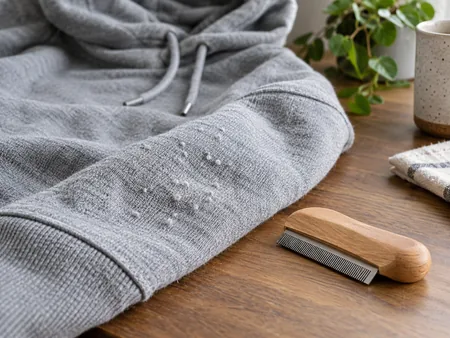
Small fibre balls are a surface problem. Remove them carefully without turning a cosmetic issue into a hole.
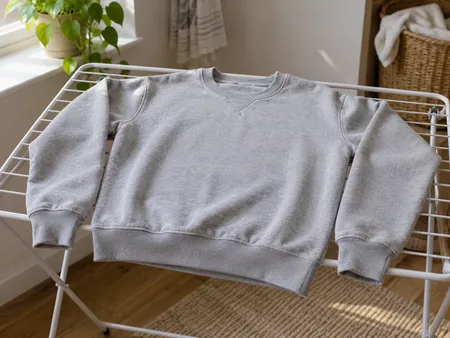
Treat cuffs as a fitted part of the garment, rather than a handle or a place to park rolled sleeves indefinitely.
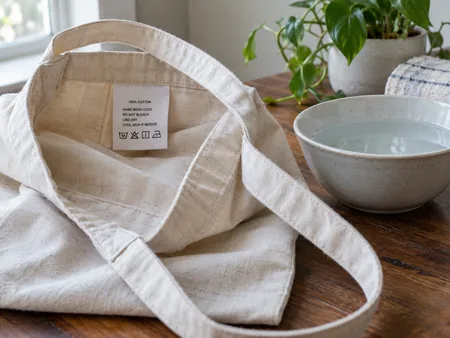
Canvas describes fabric, not permission to put every finished bag in the washing machine. Inspect the whole construction first.
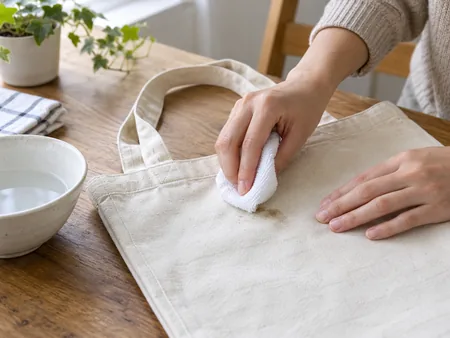
A small mark calls for controlled moisture and a tested method, not an expanding circle of stronger cleaning attempts.
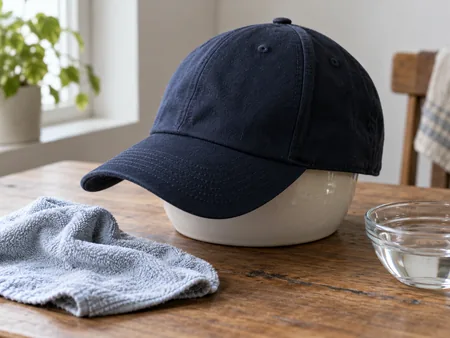
The crown, brim and decoration may need different care. Start with the cap maker's method rather than a general laundry trick.
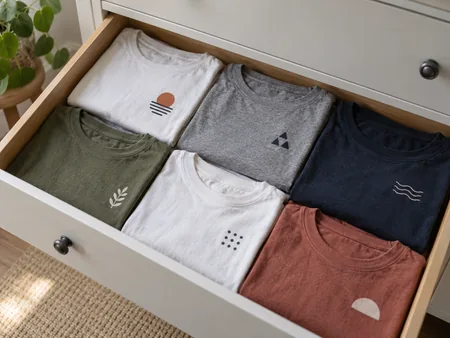
Clean, dry clothing and a low-stress fold usually matter more than special storage accessories.

Start with a soft tool and the maker’s care instructions, especially when a mug carries a decorative finish.
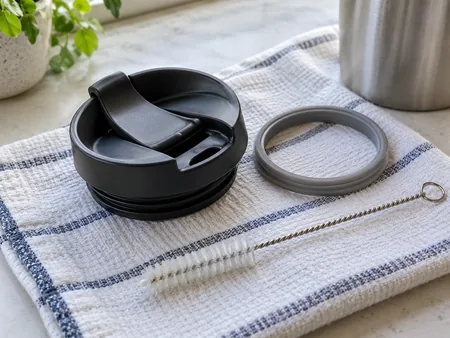
A clean cup can still have residue beneath its lid components. Learn which parts your particular lid is designed to release.
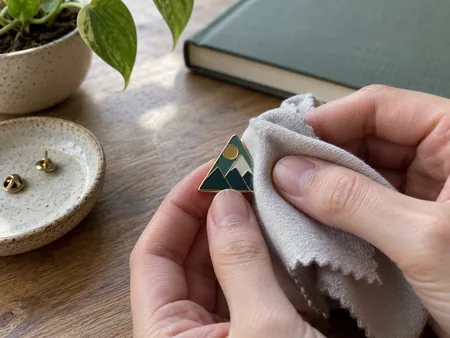
A small metal pin may carry plating, colour and printed detail. Gentle handling helps preserve all of them.

A supported, clean enclosure protects an unframed print better than a convenient gap behind furniture.

A notebook is often stored near a desk or wall. Keep those convenient places dry, clean and free from pressure on the binding.
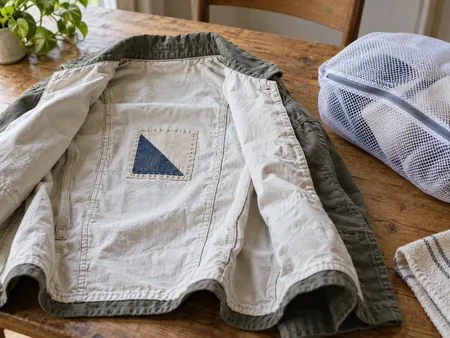
The fabric, patch and attachment method all need compatible care. Use the most restrictive instructions that apply.
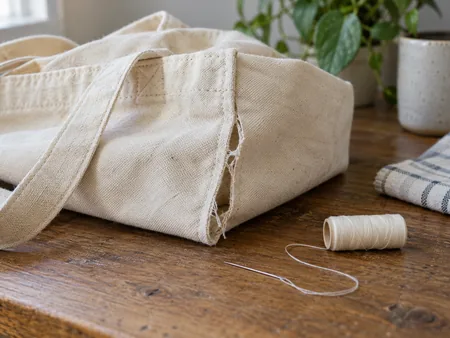
A broken line of stitching and a torn panel need different repairs. Inspect the fabric before deciding to resew.
No articles found. Try fewer words or choose another subject.