Clothing
What a heavyweight T-shirt actually changes
A substantial tee changes the shape of an outfit, but fabric weight alone cannot tell you how it will wear.
Notes on things
you use.
Fit, fabric and the details you feel all day.
A substantial tee changes the shape of an outfit, but fabric weight alone cannot tell you how it will wear.
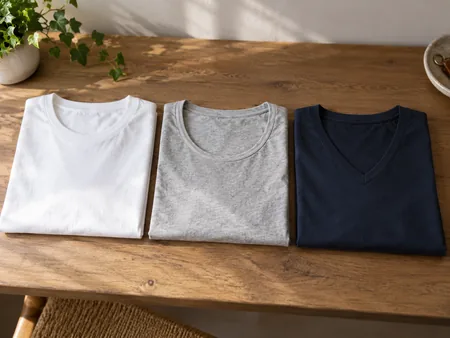
The opening, rib and position of a collar all affect whether a tee feels comfortable through an ordinary day.
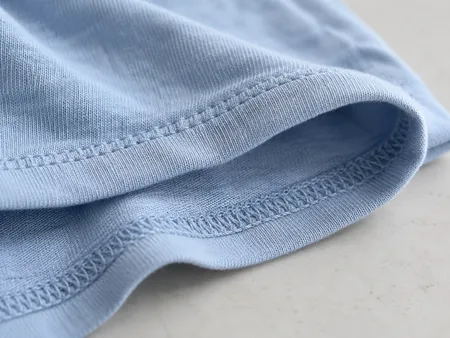
Cotton identifies the fibre; jersey describes the knitted structure. Both matter when you assess a shirt.
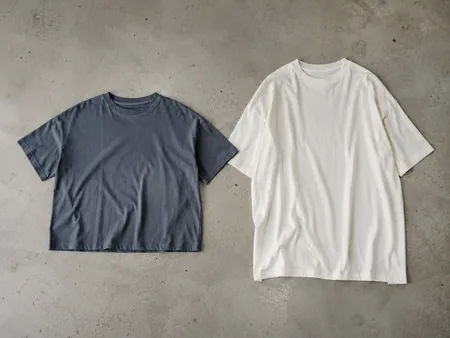
A short, wide body and an intentionally enlarged silhouette can look similar in photographs but wear differently.
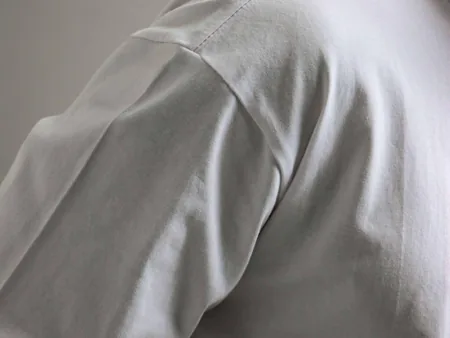
A shoulder seam is a useful reference point, provided you first know the cut the designer intended.
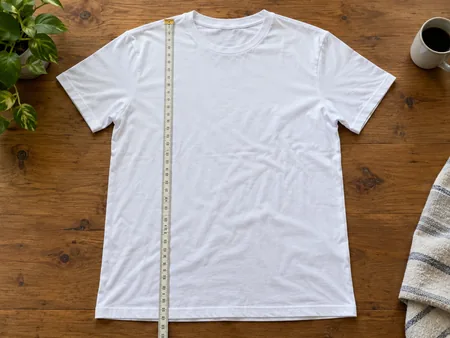
Measure from the stated starting point, then check the hem against the way you actually wear your clothes.

Coverage depends on knit, tension and light as well as weight. Check the shirt as a single layer.
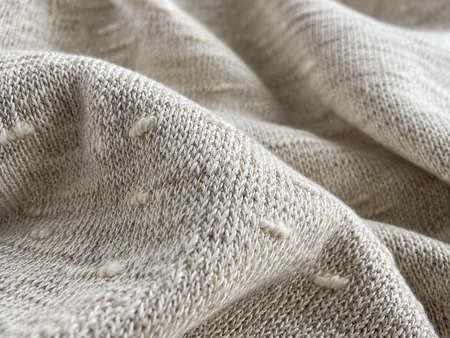
The irregular yarn gives a tee texture. Decide whether you like that texture before expecting a perfectly smooth print.
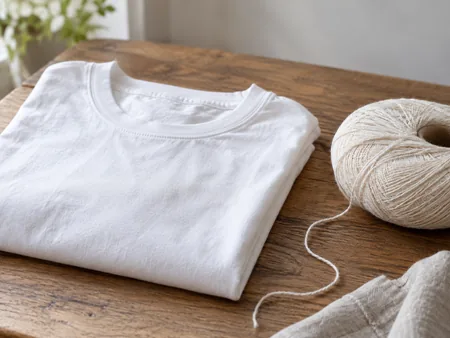
Combing is a yarn preparation step, not a complete verdict on the quality of a finished shirt.
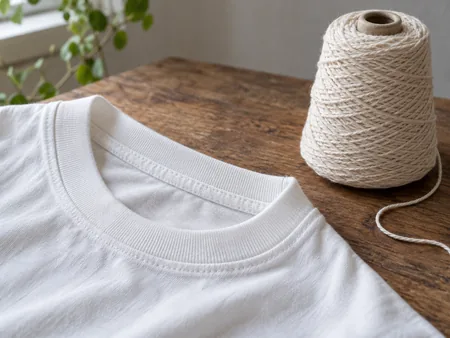
Ring-spun describes how yarn is made. Compare the resulting fabric instead of treating the term as a guarantee.
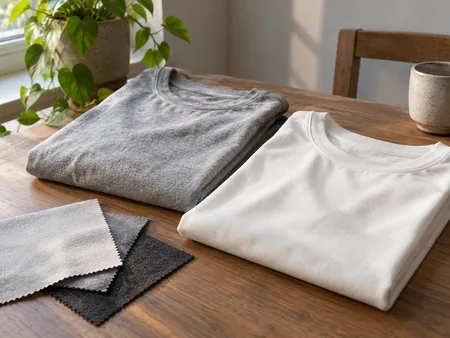
A blend can be useful, but the percentages and the finished construction matter more than the word alone.
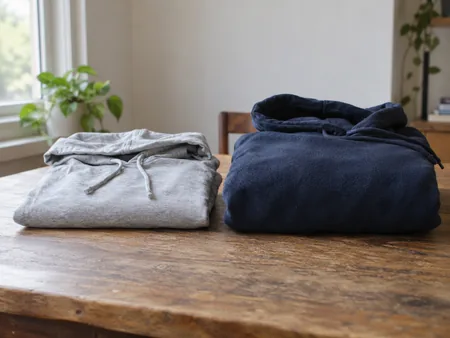
The best hoodie for a warm room may be a poor layer for a cool walk. Start with the place it will spend most of its time.
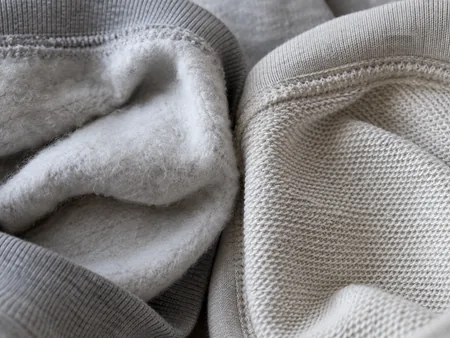
Look inside the garment: a brushed surface and visible loops can change the feel of an otherwise similar hoodie.
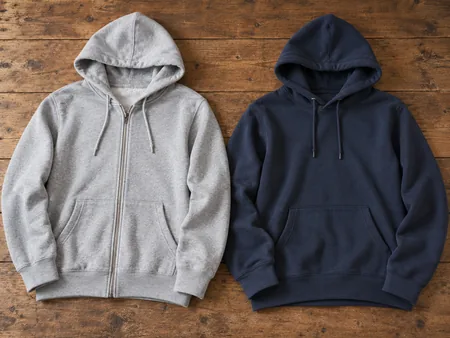
The opening changes how you adjust a layer, carry things and show the graphic underneath.
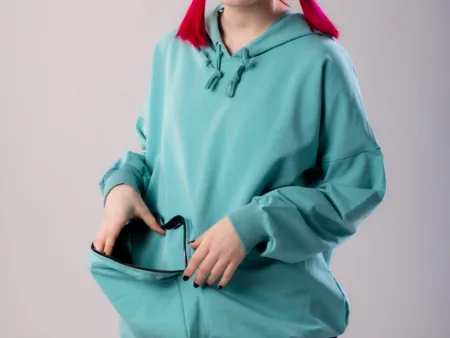
Pocket position, opening and reinforcement deserve a look before the hoodie becomes your everyday layer.
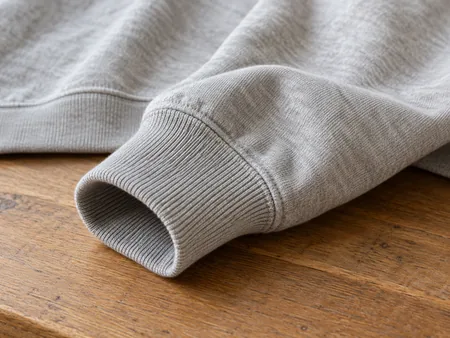
Ribbed cuffs control the sleeve opening, but they should not have to grip uncomfortably to stay in place.

A hood is part of the fit even if most product photographs show it resting on the back.
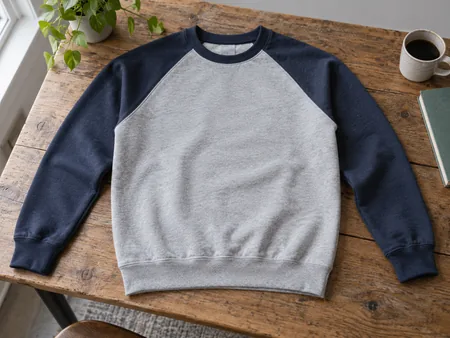
The diagonal seam changes the construction around the shoulder, but the whole pattern still determines movement.
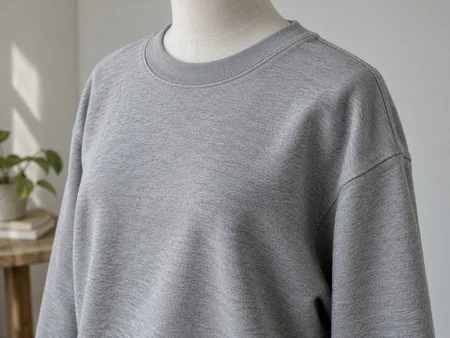
A lower sleeve junction changes the starting point of the sleeve. Read the whole silhouette before choosing a size.
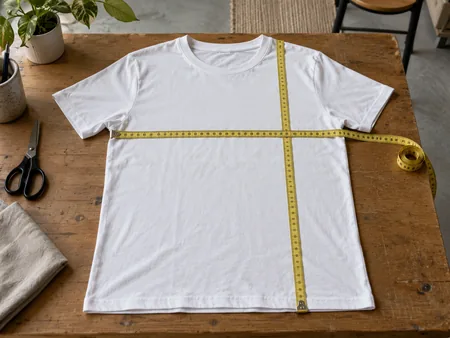
A flat width is not a body circumference. Follow the diagram and compare it with a garment you already know.
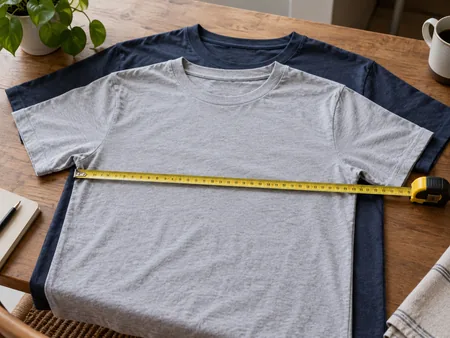
Choose around the part that needs room, then check the consequences for length, sleeves and neckline.
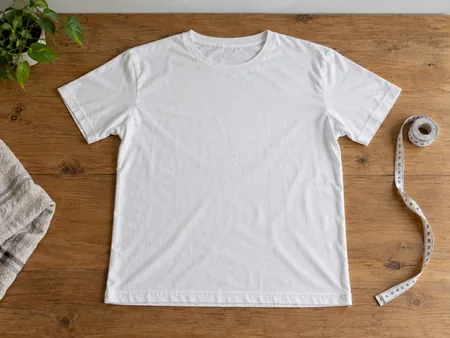
Unisex describes how a style is offered. It does not replace information about shape, measurements or ease.
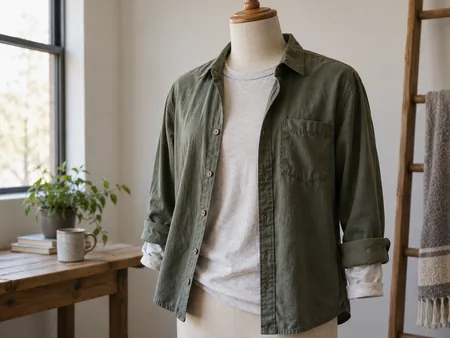
A layering shirt needs comfortable sleeves and a workable neckline as well as the right body width.
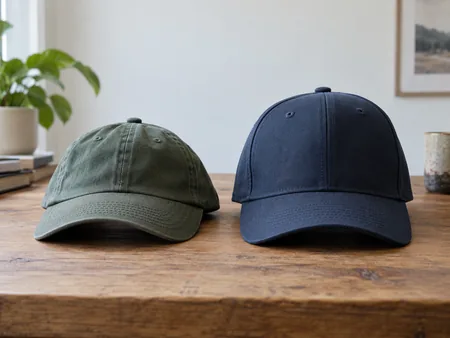
Head circumference affects tightness; crown shape and depth affect where the cap sits. Check both.
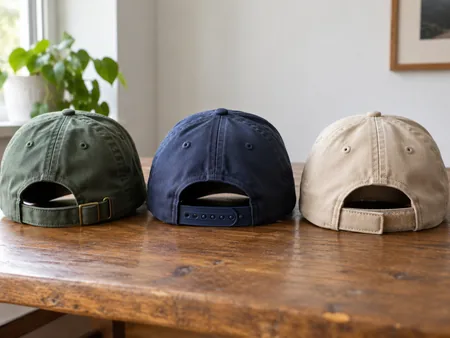
A snap, buckle or hook-and-loop strap changes the adjustment and the feel at the back of the head.
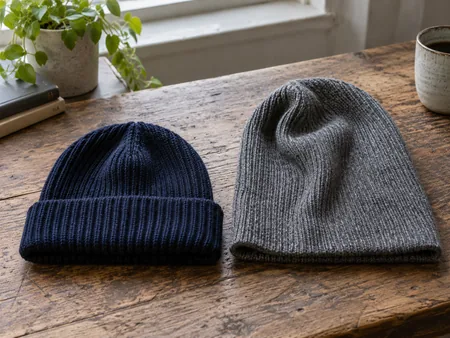
A folded cuff changes the depth and thickness of a beanie; a slouchy crown needs space to fall.

The top of a sock should hold its position without becoming the part you notice all day.
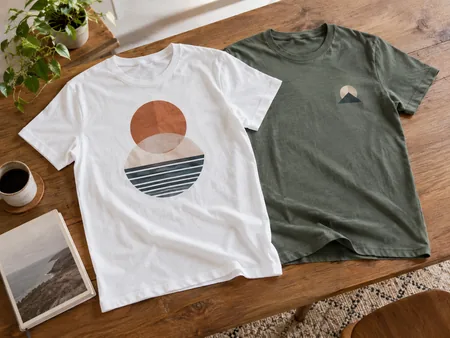
A print has to work on a moving garment, not just a flat mock-up. Look at its position, size and relationship to layers.
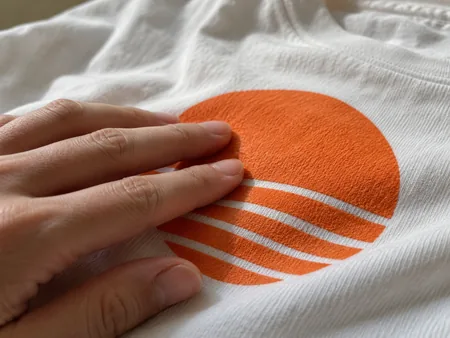
A graphic can feel almost integrated with the cloth or sit as a distinct surface. Decide which sensation you prefer.