Choose a gift that travels well
Choose the object and delivery arrangement together, including the recipient's address and ability to receive it.
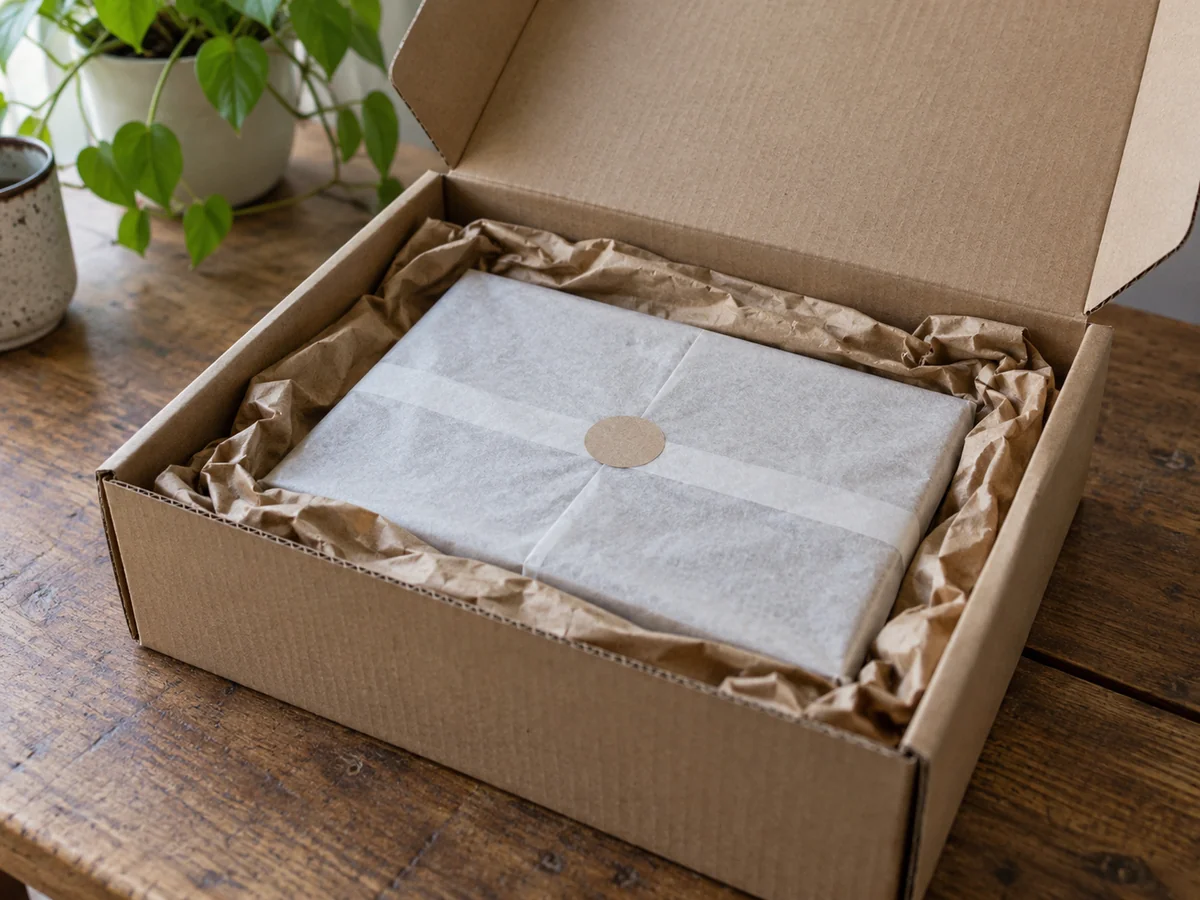
Distance changes the practical choice
A gift that feels easy to hand over can become awkward to send. A ceramic mug needs protective space, a large framed print can be expensive to pack, and a heavy set may cost more to post than you expected. Consider the journey while choosing the object. A flat notebook, soft accessory or small robust item can leave more of the budget for the gift itself.
Confirm the recipient's current address and preferred name for delivery. People move, use collection points or spend time away from home, and an old address in your contacts may no longer be useful. A short message asking where to send something need not ruin the entire surprise. It can prevent a kind gesture from becoming a parcel the recipient has to chase across several locations.
Make arrival part of the plan
Check whether a signature, collection trip or delivery window is likely to be inconvenient. If buying directly from a retailer, read how the package will be labelled and whether an invoice or promotional material is included. A gift note may be available, but the option can vary by product and seller. Do not assume the item will arrive wrapped or without a visible price.
For personalised goods, allow time for making as well as transport. Dispatch date and delivery date are different stages. If the occasion is fixed, choose an arrangement with enough margin for ordinary delays rather than relying on the fastest advertised estimate. When timing is uncertain, a message on the day can explain that a gift is coming without promising a delivery you cannot control.
Borders bring extra questions
For international parcels, check the current postal and destination-country guidance before purchasing. Permitted items, declarations and possible charges depend on the route and contents. Calling something a gift does not remove the need for an accurate description or make it automatically exempt from every charge. Ask whether the recipient might be required to pay, and avoid creating an unexpected expense where you can.
A local retailer near the recipient may simplify delivery and exchange, though its own terms still need checking. Compare the total arrangement rather than assuming posting from your home is the more personal option. Your message, the suitability of the object and the reason you chose it can carry the thoughtfulness even when the parcel begins its journey elsewhere.
Keep tracking and order information until arrival, then check in without asking for an immediate photograph or enthusiastic review. The recipient may be busy or saving the parcel for another day. A long-distance gift works best when it quietly bridges the gap between you, rather than creating a series of logistics tasks and obligations on the other end.
Further information