What to do when a shirt fits smaller after washing
First confirm what changed. Forceful stretching and hot-water experiments can make an altered fit harder to assess.
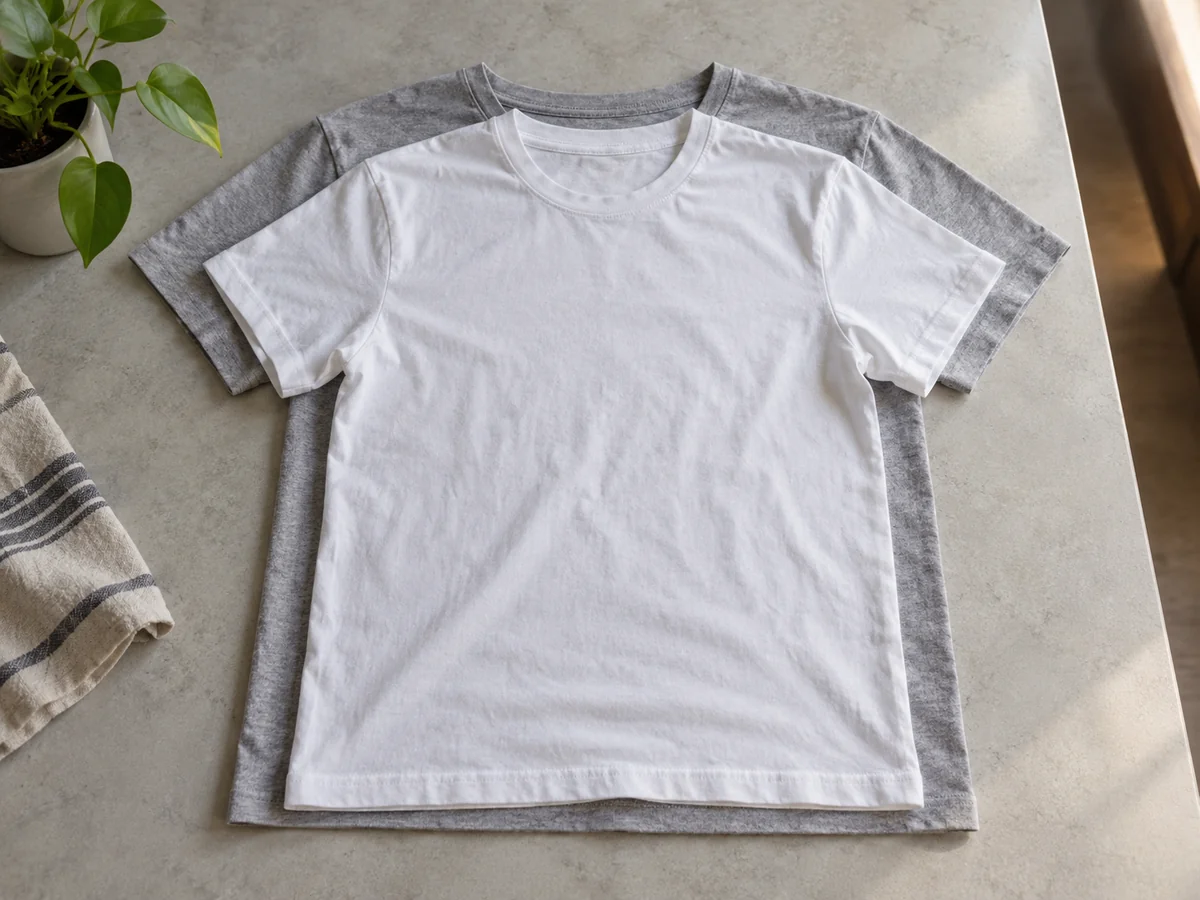
Measure when it is dry and settled
A shirt can feel smaller after washing because its dimensions changed, because it is not fully dry or because it has been folded into a different shape. Let it dry according to the label, lay it flat and smooth it gently. Do not pull the hem down until the tape shows the number you expected.
Compare the chest, body and sleeve measurements with a reliable earlier record, if you have one. Use the same starting points. A measurement from the shoulder beside the collar cannot be compared fairly with one taken from the centre back. If there is no earlier record, describe the fit change without pretending you know the exact amount of shrinkage.
Look for the pattern of change
Has the whole shirt become closer, or is the main problem a shorter body? Are the sleeves different, or does the side seam now appear twisted? Those observations help when contacting the seller. Cotton fabrics can relax and change dimensions during laundering, and construction and finishing affect the result. One explanation does not cover every garment.
Check the care label against the programme and drying method used. A preshrunk description reduces an expectation of change; it does not promise that any treatment will leave the garment unchanged. Keep the product information and photographs if you think the change is excessive despite following the instructions.
Separate the fabric issue from the print. An image that now feels stiff, cracked or distorted may have its own damage. Pulling hard on the shirt to recover length can put extra stress on that decoration and on the seams. Avoid treating the graphic as a convenient handle.
Choose a modest next step
If the label permits gentle reshaping while damp, follow it without force. Do not assume a conditioner soak or another online recipe can reverse every type of dimensional change. Fibres, dyes and decorations differ, and a treatment intended for one material may be unsuitable for another. Ask the maker before experimenting on a valuable shirt.
Sometimes the practical solution is to use the shirt differently: as a closer underlayer, for another person who wants that fit or for a suitable sewing project. An alteration may help with some proportions but cannot simply create fabric that is no longer there. A tailor can advise on realistic options without promising restoration.
For the next purchase, keep measurements of a washed shirt that works and read the stated tolerance and care method. The immediate goal is an honest assessment of the changed garment. Once you know what happened, you can decide whether to seek support, make a limited adjustment or accept that its best use has changed.
Further information