Measure the strap before buying a tote
Handle drop, coat thickness and carrying height matter more than a bag's overall height.
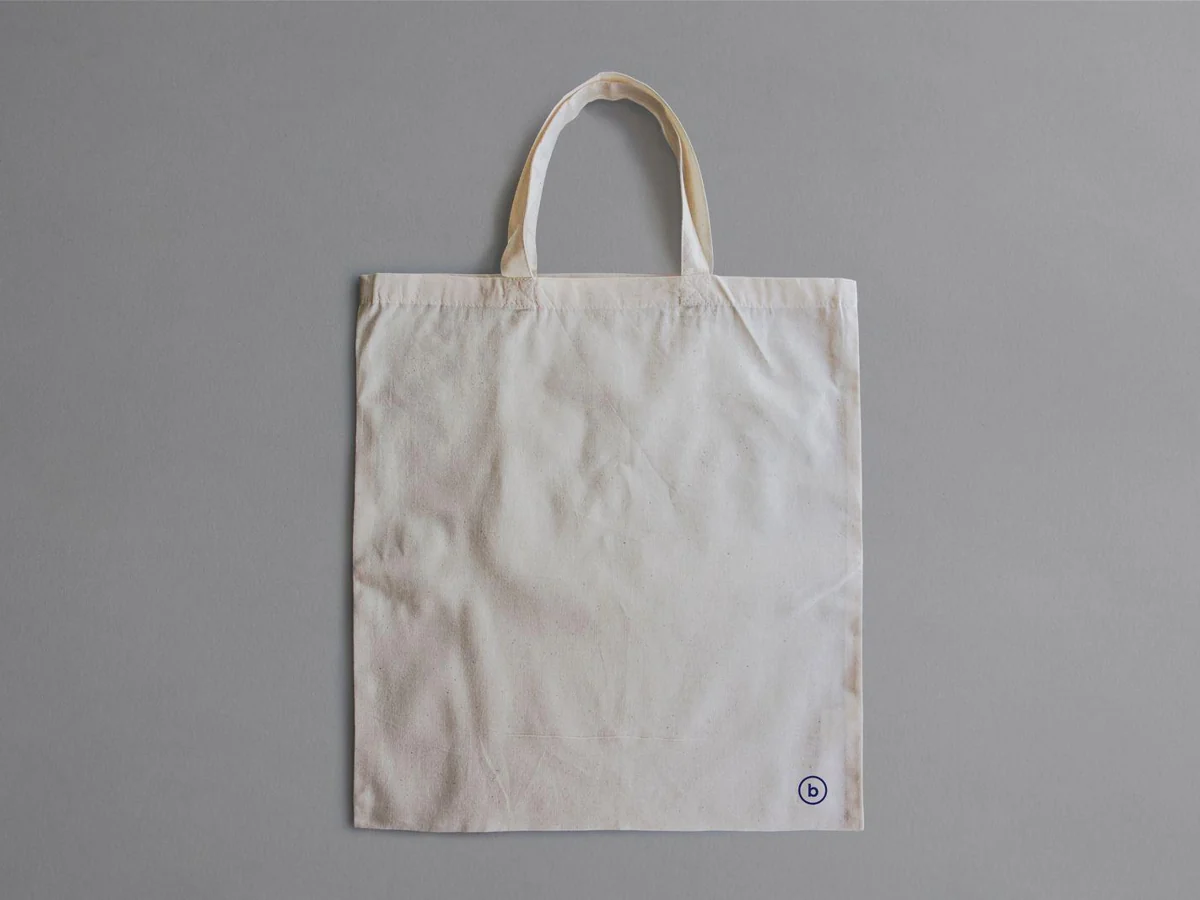
Measure the space your arm needs
A tote can have the right body size and still be irritating to carry. The top edge may sit tightly under your arm, or a long handle may leave the loaded bag knocking against your knee. The useful measurement is usually the handle drop: the vertical distance from the top of the bag to the inside of the handle at its highest point. It is different from the full length of the strap.
Retailers do not always label these measurements consistently. A listing that says “handles: 60 cm” may mean the entire loop, while another gives a much smaller drop measurement. Look for a drawing or ask how the number was taken. Comparing the two figures as though they describe the same thing can turn a promising purchase into a hand-carry bag you intended to wear on your shoulder.
Start with a bag that already works
Lay an existing tote flat and straighten one handle without stretching it. Measure its drop, then note what you like and dislike when it is loaded. This creates a more useful reference than a universal recommendation. Someone who carries a bag by hand needs a different amount of clearance from someone who puts it over a thick coat and keeps both hands free.
Repeat the shoulder test in the clothes you expect to wear. A roomy opening over a thin shirt can feel cramped over a padded jacket. Check whether you can put the bag on without twisting your wrist or pulling your elbow into an awkward position. There should also be space to reach the opening when the bag remains on your shoulder, if that is how you normally use it.
Let the load change your judgment
Put ordinary items inside before deciding: a book, your bottle and a pouch are a better test than an empty bag. Soft handles can lengthen or flatten under weight, and the body may sag below its photographed position. Walk a few steps and try sitting down. A bag that feels fine standing still may swing into a chair or catch against your leg.
Strap width and surface matter alongside length. A narrow, stiff edge can feel unpleasant even with excellent clearance; a very smooth handle may slide from a slick coat. Two handles should lie together comfortably rather than separating and leaving one to take most of the weight. If you habitually hold them in your hand, check that the combined thickness is manageable.
When buying online, record the body height separately from the drop. Together they give a rough idea of where the base will land, although a soft bag will change shape. Choose the handle arrangement for your most frequent journey. An occasional shoulder carry does not automatically justify a very long strap on a bag you usually hold beside your leg.
Further information