Count the cards before choosing a wallet
A realistic card count includes the cards you carry, how often you use them and any cash you still need.
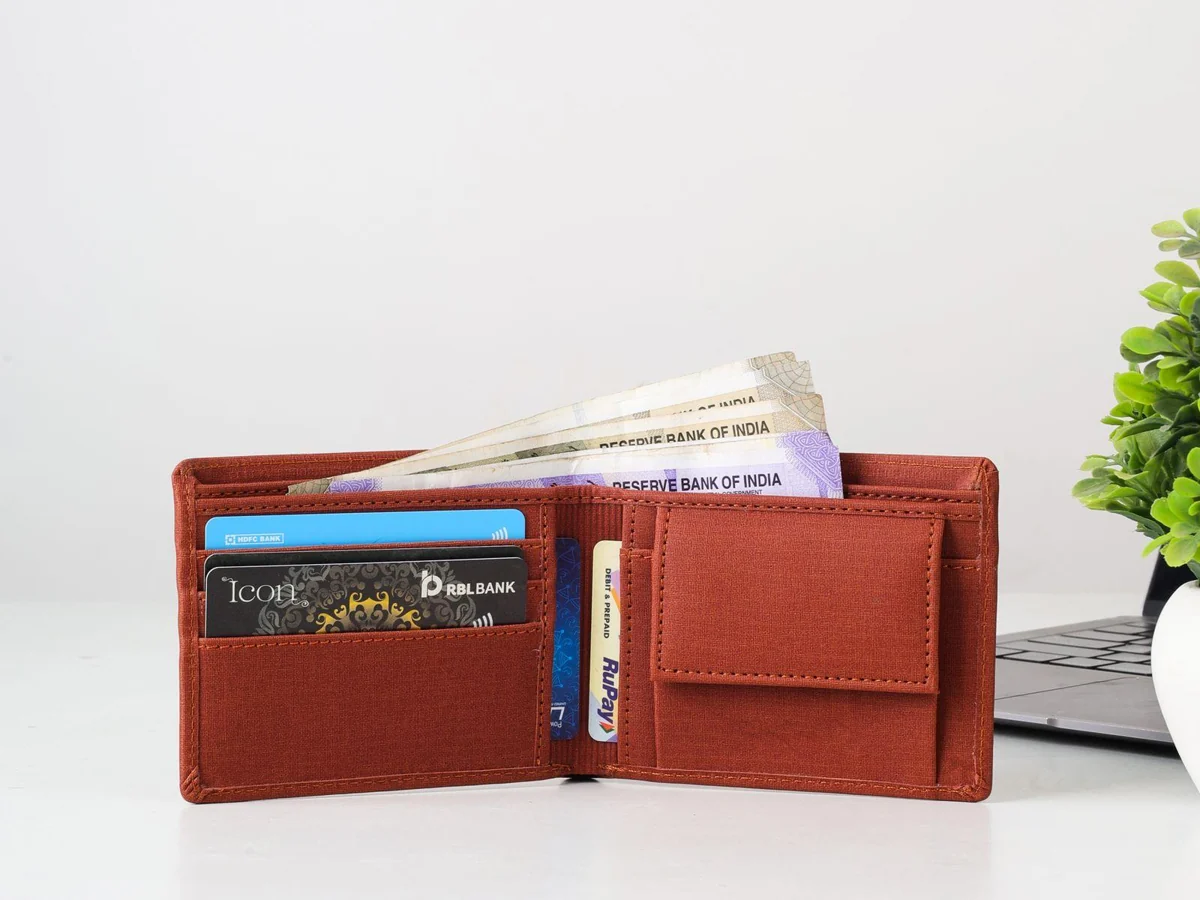
Empty the current wallet
Before choosing a slimmer wallet, put everything from the old one on a table. Separate the cards used regularly from expired passes, duplicate loyalty cards and receipts kept out of habit. This is not an instruction to carry the fewest possible objects. It is a way to identify the number of cards the new wallet actually needs to hold, including an ID or backup payment card you deliberately want nearby.
Count physical pieces rather than categories. A payment card, access pass and driver's licence each occupy a space, even if two are rarely used. Thicker or embossed cards can change how a stack fits. A maker's advertised capacity is a useful guide, but it may describe a particular mix and arrangement. Read whether cards have individual slots or share one larger pocket.
Capacity and quick access are separate
A wallet can hold ten cards while offering direct access to only two. That might work well if the other eight are occasional extras. It is less convenient when several are used throughout the day. Arrange the essential cards in the proposed layout and think through a normal payment or entry: which one comes out, and does another card have to be removed first?
Some compact designs use a pull tab to lift a stack from a deep compartment. Others have external slots or a mechanical ejector. Try the operation with the intended number of cards if possible. An arrangement that works neatly when full may hold a single card differently. Do not assume the maximum card count also describes the most comfortable or secure everyday load.
Cash changes the shape
Even if most payments are electronic, decide whether you carry notes, coins or a backup cash amount. A slim wallet may require notes to be folded, while a traditional billfold can keep them flat. Check compatibility with the currencies you actually use. A tiny coin compartment can become a hard lump; a separate small coin purse may suit occasional use better.
Receipts also need a plan. If they are regularly stuffed into the same pocket as cards, the new wallet can become overfilled within a week. Keep required receipts elsewhere and clear out unnecessary paper at a sensible interval. Adding more slots will not solve a routine in which every small piece of paper stays indefinitely.
Finally, check the closed wallet in the pocket or bag where it will live. Loaded thickness, edge shape and the ease of closing matter more than its empty profile in a photograph. Avoid forcing extra cards into tight slots in the hope that every material will stretch safely. A wallet that accommodates your actual essentials with a little breathing room is more useful than a thin one permanently under strain.
Further information